
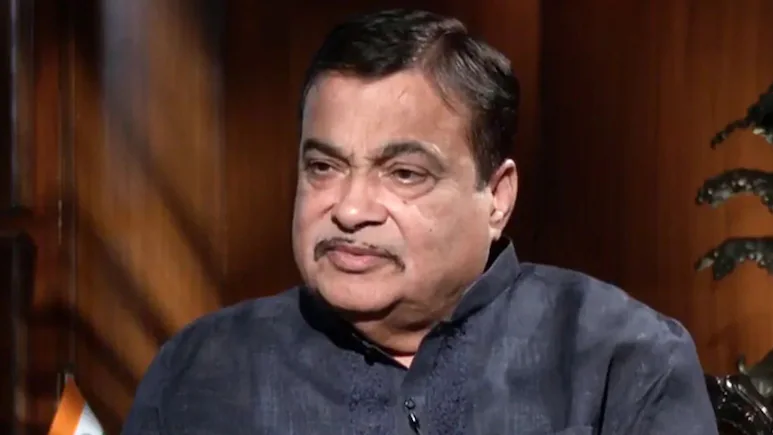
Union Minister Nitin Gadkari has called for a strong national push towards adopting 100 per cent ethanol-based fuel, signalling a major shift in India’s long-term energy strategy. Speaking at the Green Transport Conclave organised by the Indian Federation of Green Energy, Gadkari highlighted the urgency of reducing dependence on fossil fuel imports amid global uncertainties, particularly due to tensions in West Asia.
What is E100 Fuel?
E100 refers to fuel that is almost entirely ethanol-based. In India, the version marketed as “Ethanol 100” by IndianOil contains about 93–93.5% ethanol, with a small proportion of petrol and co-solvent added for safety and performance stability.
Why India is Pushing for Ethanol
According to Gadkari, increasing ethanol usage could significantly cut India’s reliance on imported crude oil, which currently meets nearly 87% of the country’s fuel needs. This dependency results in an annual outflow of around ₹22 lakh crore. By boosting domestic ethanol production—primarily from sugarcane, maize, and other crops—India can strengthen energy security while supporting farmers and rural economies.
The recent geopolitical instability in oil-producing regions has further exposed the risks of heavy import dependence, reinforcing the need for alternative fuels.
Current Progress and Policy Push
India has already made notable progress in ethanol blending. Following the nationwide rollout of E20 (20% ethanol-blended petrol) on April 1, 2026, the government is now preparing for higher blends such as E85 and E100.
The upcoming Corporate Average Fuel Efficiency (CAFE III) norms, set to take effect from April 1, 2027, are expected to accelerate the adoption of cleaner technologies, including electric and flex-fuel vehicles.
India also introduced E100 fuel in 2024, with IndianOil launching it across 183 retail outlets in states such as Maharashtra, Karnataka, Uttar Pradesh, Tamil Nadu, and Delhi.
Global Comparison
Globally, Brazil is the only country that has successfully implemented E100 fuel usage at a large scale. Countries like Sweden have adopted E85 blends, while most European nations still operate with lower blends such as E5 to E10.
Challenges and Industry Impact
The transition to high-ethanol fuels will require significant changes from automobile manufacturers. Ethanol is more corrosive than petrol, meaning engines and fuel systems must be specially designed or modified to handle higher concentrations.
This is where Flex-Fuel Vehicle (FFVs) come into play. These vehicles can run on varying ethanol-petrol blends and will be central to India’s transition.
Benefits for Consumers
Despite initial challenges, the long-term benefits are promising. Ethanol-based fuels can offer improved engine performance and reduced emissions. Additionally, domestic production may help stabilise or lower fuel prices over time.
The Road Ahead
India’s push towards 100% ethanol blending represents a bold step towards cleaner energy and economic self-reliance. While infrastructure, vehicle compatibility, and awareness remain key challenges, the policy direction indicates a future where alternative fuels play a dominant role in the country’s transportation sector.