
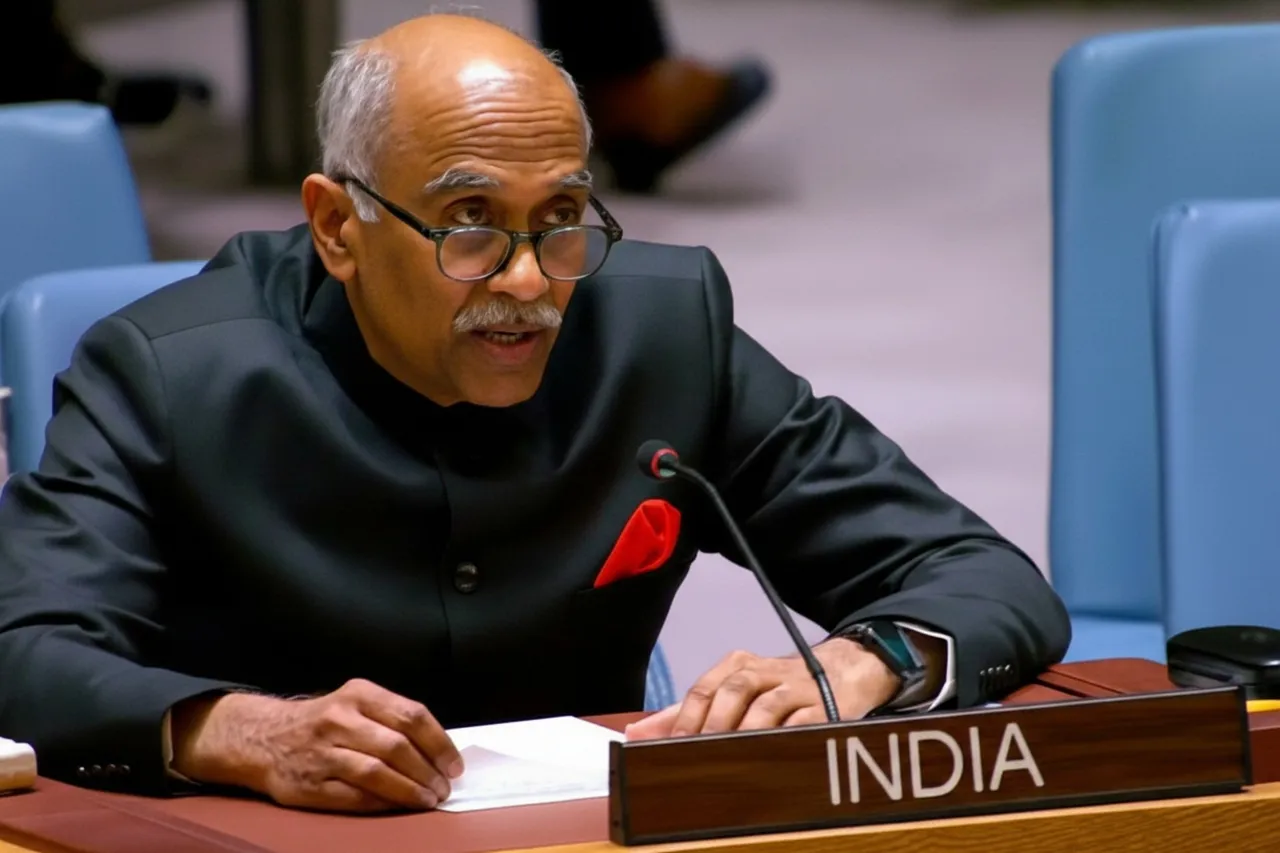
India on Monday strongly rejected Pakistan’s narrative at the United Nations, calling it “false, misleading and self-serving,” and firmly defended its retaliatory action under Operation Sindoor. Speaking at the UN Security Council Open Debate, India’s Permanent Representative to the UN, Ambassador Harish Parvathaneni, said Pakistan had no moral or legal authority to comment on India’s internal affairs, particularly on the issue of Jammu and Kashmir.
Addressing the Council, Parvathaneni accused the Pakistani delegation of pursuing a “single-point agenda” aimed at maligning India on global platforms. He stated that the facts surrounding Operation Sindoor were “clear, verifiable, and well documented,” and reminded the international community that 26 civilians were killed in the April 22 Pahalgam terror attack by Pakistan-sponsored terrorists — an incident that had been condemned by the UN Security Council itself.
He emphasised that India’s response was not an act of aggression but a measured, non-escalatory, and responsible counter-terror operation aimed solely at dismantling terrorist infrastructure. “This august body had called for holding the perpetrators, organisers, financiers, and sponsors of this reprehensible act accountable. That is exactly what India did,” he said.
Rejecting Pakistan’s claim of a so-called “new normal,” Parvathaneni asserted that terrorism can never be normalised, and criticised Islamabad’s continued use of terror as an instrument of state policy. He stressed that India’s actions were rooted in self-defence, international law, and the right of a sovereign nation to protect its citizens from cross-border الإرهاب (terrorism).
Reaffirming India’s constitutional and territorial position, the envoy stated unequivocally that Jammu and Kashmir “has been, is, and will always remain an integral and inalienable part of India.” He also addressed the Indus Waters Treaty issue, noting that India has placed the treaty in abeyance until Pakistan demonstrates credible and irreversible action against terrorism and terror networks operating from its soil.
Calling upon Pakistan to introspect, Parvathaneni urged Islamabad to abandon the path of violence and adhere to the principles of rule of law, peace, and international responsibility. He reiterated that India remains committed to regional stability, but will not compromise on national security or tolerate terrorism in any form.
India’s firm stance at the UN reflects a growing diplomatic assertiveness in countering cross-border terrorism and defending its sovereignty, while reinforcing its commitment to lawful, proportionate, and responsible international conduct.