
The Union Cabinet has approved three major railway multitracking projects covering Odisha and four other states, with the Kharagpur-Jharsuguda (Bagdehi) 4th Line emerging as one of the key projects aimed at strengthening rail capacity and improving connectivity.
The projects were cleared by the Cabinet Committee on Economic Affairs (CCEA), chaired by Prime Minister Narendra Modi. Together, they carry an estimated investment of Rs 10,783 crore and are targeted for completion by 2029-30.
The three projects will add approximately 656 km to the Indian Railways network and are expected to improve the movement of passengers as well as freight across several regions.
Kharagpur-Jharsuguda 4th Line to Strengthen Odisha Rail Connectivity
For Odisha, the proposed Kharagpur-Jharsuguda 4th Line is particularly important as it will increase railway capacity along a strategically significant route connecting Odisha with neighbouring states.
The overall multitracking projects will cover 14 districts across West Bengal, Jharkhand, Odisha, Madhya Pradesh and Chhattisgarh.
The additional railway infrastructure is expected to help address capacity constraints on busy routes while allowing trains to operate more efficiently.
For Odisha, improved rail capacity could also support the movement of industrial goods and raw materials, particularly from mineral- and manufacturing-intensive regions.
Projects to Benefit Nearly 56 Lakh People
According to the Central government, the expanded railway network is expected to improve connectivity to approximately 4,790 villages, collectively having a population of nearly 56 lakh.
The projects are being planned under the PM Gati Shakti National Master Plan, which focuses on integrated infrastructure development, multimodal connectivity and improving logistics efficiency.
Better rail connectivity is also expected to benefit tourism and pilgrimage destinations located along or near the improved network.
Tourist and Pilgrimage Connectivity to Improve
Several important tourist and religious destinations are expected to benefit from the expansion of railway infrastructure.
Among the places highlighted are the Taratarini Temple in Ganjam and Srikshetra Jagannath Temple near Jharsuguda.
Improved rail connectivity to such destinations could make travel easier for pilgrims and tourists while also supporting local economies dependent on tourism-related activities.
27 Million Tonnes of Additional Freight Capacity
The projects are expected to facilitate an additional 27 million tonnes of freight traffic annually.
Major commodities likely to benefit from the increased rail capacity include coal, cement, iron and steel, which are critical to India’s industrial and infrastructure sectors.
Increasing the share of freight transported by rail is also expected to ease pressure on highways and improve the overall efficiency of India’s logistics network.
Rail Expansion Expected to Reduce Logistics Costs
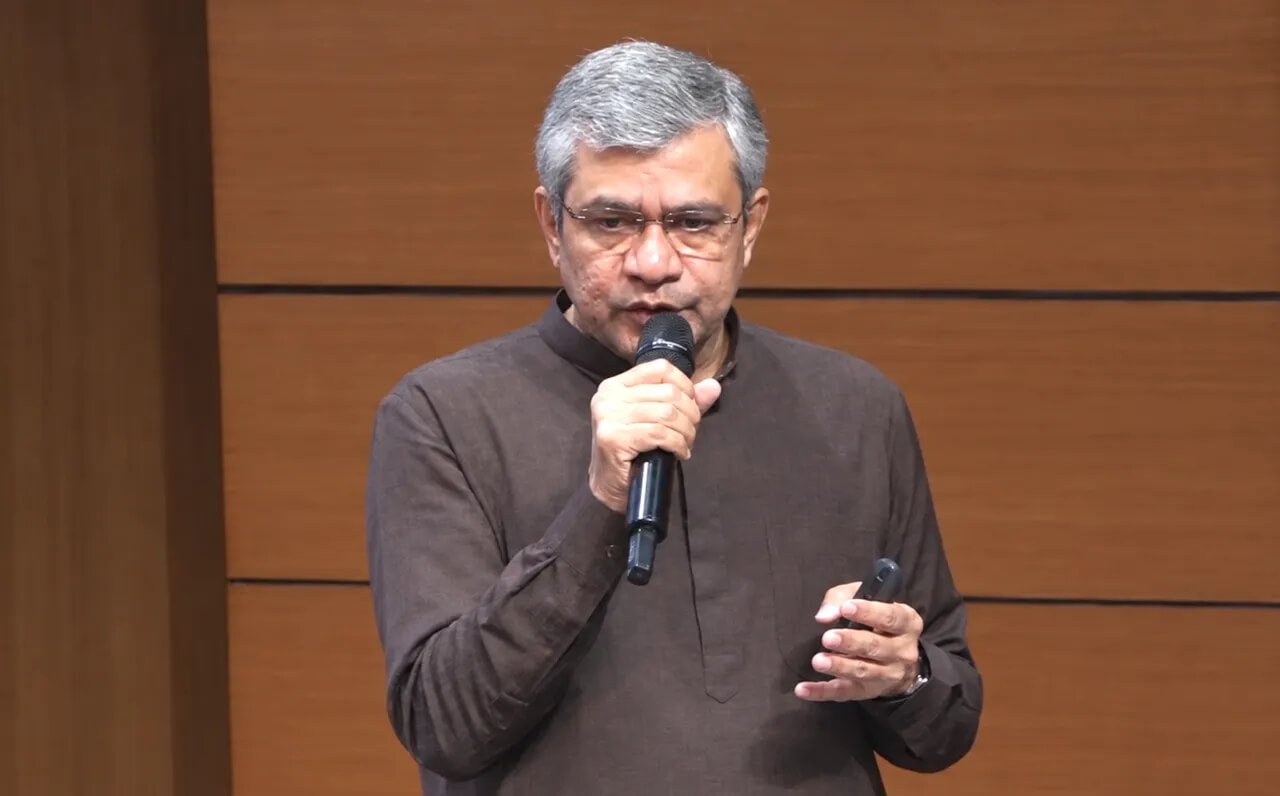
Railway Minister Ashwini Vaishnaw highlighted the role of railway infrastructure in reducing logistics costs and improving the competitiveness of Indian industries.
He said that reducing transportation expenses is important for making Indian industries more competitive and that railways can play a major role in achieving this objective.
According to the minister, transporting goods by rail costs significantly less than moving them by highways, making railway expansion an important component of the country’s logistics strategy.
Environmental Benefits of Greater Rail Capacity
The Centre also expects the multitracking projects to contribute to lower fuel consumption and reduced carbon emissions.
A greater shift of freight movement from roads to railways could reduce dependence on road-based transportation and consequently help lower the environmental impact associated with freight logistics.
Vaishnaw emphasised that rail transportation is significantly more environmentally friendly compared with the road sector, making railway investment relevant not only for economic growth but also for India’s environmental objectives.
PM Gati Shakti to Drive Multimodal Connectivity
The projects have been aligned with the PM Gati Shakti National Master Plan, which seeks to improve coordination among different modes of transport and strengthen the country’s overall logistics infrastructure.
The multitracking works are expected to increase line capacity, reduce congestion and enable smoother movement of both passengers and goods.
By expanding railway infrastructure along important industrial and connectivity corridors, the government aims to build a more efficient transportation network capable of supporting India’s long-term economic growth.
Major Infrastructure Boost for Odisha
The Kharagpur-Jharsuguda 4th Line is expected to provide a significant capacity boost to Odisha’s railway network.
Apart from improving passenger connectivity, the project could support the movement of minerals, industrial products and other freight originating from Odisha and neighbouring regions.
With completion targeted for 2029-30, the multitracking programme represents a major long-term investment in railway infrastructure, logistics efficiency and regional connectivity.
The combined projects are expected to strengthen India’s rail network while improving access for communities, supporting industrial activity and contributing to lower logistics costs and emissions.