
Bhubaneswar: The Odisha government is set to significantly enhance its disaster management capabilities with the installation of advanced Doppler Weather Radars (DWRs) in four strategic locations across the state. The initiative is aimed at improving weather monitoring, early warning systems, and the forecasting of natural disasters such as cyclones, heavy rainfall, thunderstorms, and floods.
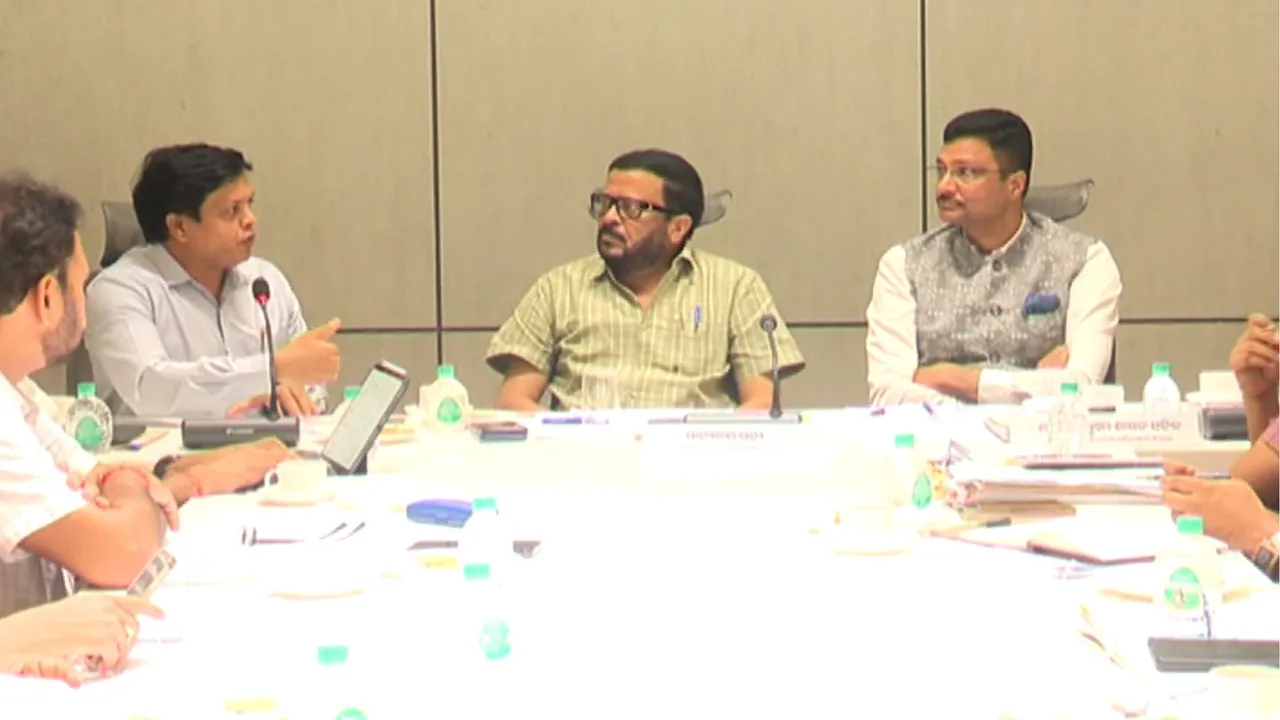
The decision was taken during a high-level review meeting on disaster preparedness held at Lok Seva Bhavan on Thursday under the chairmanship of Revenue and Disaster Management Minister Suresh Pujari.
Doppler Radars to Be Installed in Four Key Cities
As part of the state’s disaster preparedness plan, new Doppler Weather Radars will be installed in Sambalpur, Balesore, Bhubaneswar, and Puri.
The advanced radar systems will enable authorities to monitor weather conditions in real time, detect developing storms with greater accuracy, and issue timely warnings to vulnerable regions. Officials believe the enhanced forecasting network will play a crucial role in reducing the impact of natural disasters by allowing faster response and evacuation measures.
The installation of the radars is expected to complement Odisha’s existing disaster management infrastructure, which has earned national recognition for its effective handling of cyclones and other extreme weather events.
Government Reaffirms Commitment to Disaster Preparedness
During the review meeting, Revenue and Disaster Management Minister Suresh Pujari reiterated the government’s commitment to strengthening Odisha’s disaster response system.
He assured that there would be no shortage of financial resources or infrastructure for disaster management initiatives and said the government remains focused on building a robust mechanism to deal with natural calamities.
“Different departments are allocated funds to strengthen disaster management and enhance preparedness for natural calamities. This enables authorities to formulate and implement response plans in advance, in line with the principle that prevention is better than cure. Such proactive planning helps minimise the impact of disasters and reduces their aftermath,” the minister said.
He added that the state’s alert and warning mechanisms would also be modernised to ensure quicker dissemination of information and more effective emergency response during disasters.
Early Warning Systems to Get a Major Boost
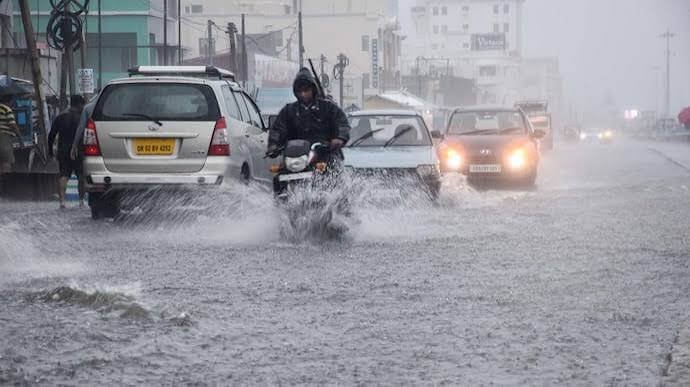
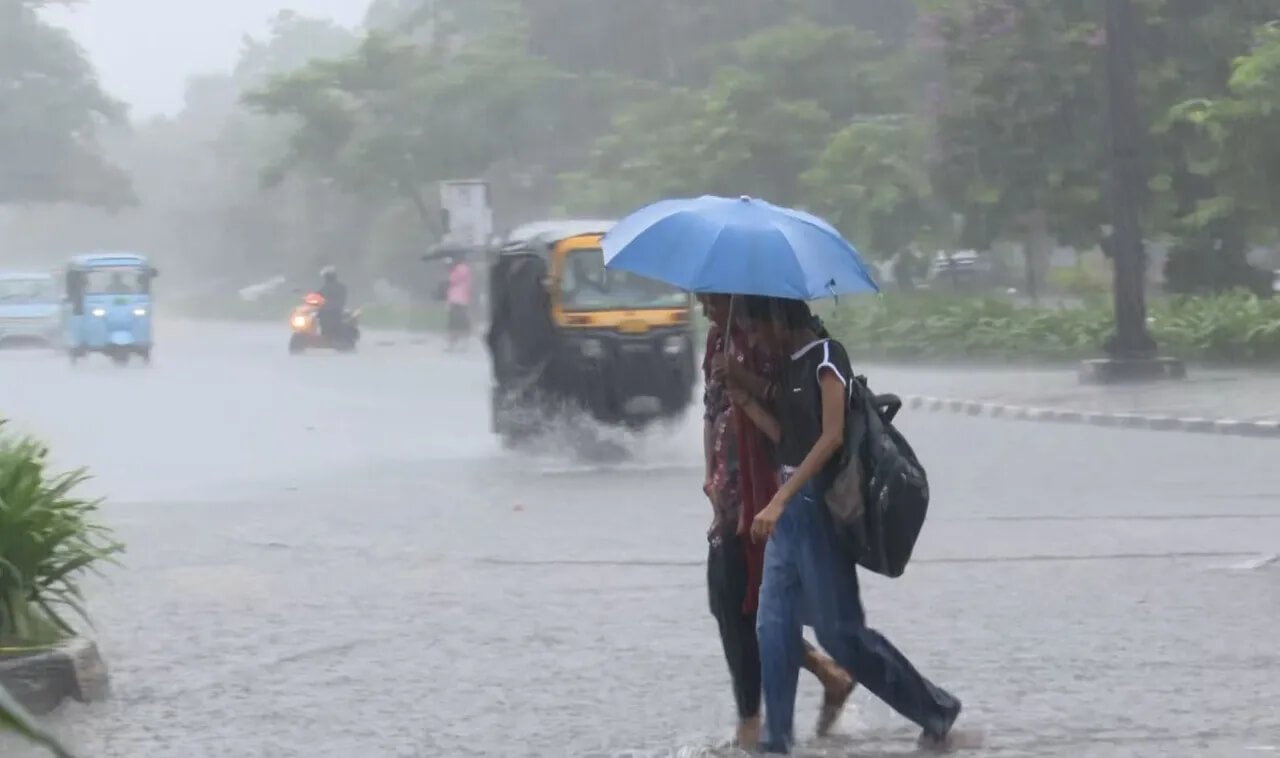
The proposed Doppler radars are expected to significantly improve Odisha’s ability to track severe weather systems, including cyclones developing over the Bay of Bengal, intense rainfall events, lightning, and thunderstorms.
With more accurate meteorological data, disaster management agencies will be better equipped to issue location-specific forecasts and alerts, helping district administrations take preventive measures well in advance.
Officials said improved forecasting capabilities would also support agriculture, aviation, fisheries, and other sectors that depend heavily on timely weather information.
Flood and Cyclone Shelter Projects to Be Fast-Tracked
Apart from strengthening weather forecasting infrastructure, the state government has also directed officials to expedite the construction of multi-purpose flood and cyclone shelters across Odisha.
These shelters are designed to provide safe refuge for people living in disaster-prone regions during cyclones, floods, and other emergencies. Faster completion of these projects is expected to enhance community resilience and reduce the risk to human lives during extreme weather events.
Strengthening Odisha’s Disaster Management Network
Odisha has long been regarded as one of India’s leading states in disaster preparedness, particularly for its effective cyclone management and evacuation strategies. The addition of advanced Doppler Weather Radars and expanded emergency infrastructure is expected to further strengthen the state’s ability to respond to natural disasters with greater speed and precision.
The government said the twin focus on technological advancement and infrastructure development reflects its commitment to safeguarding lives, protecting property, and minimising the impact of future disasters through proactive planning and timely intervention.