
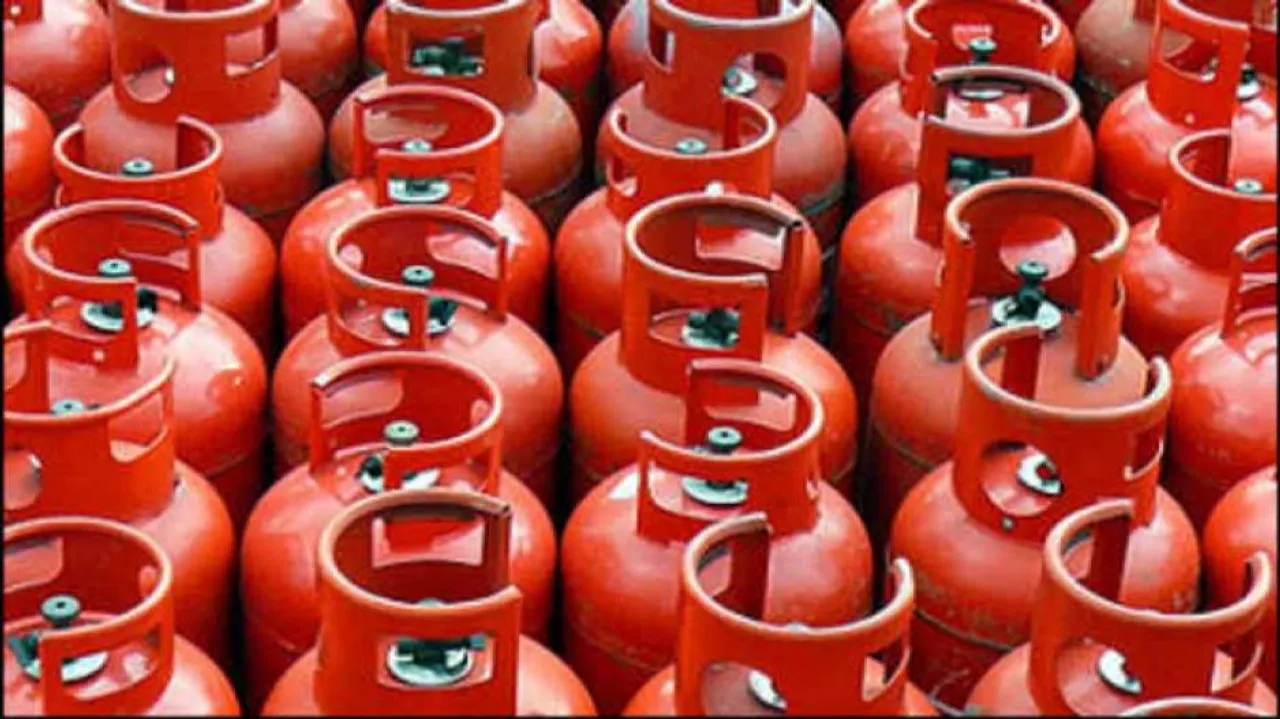
New Delhi: In a fresh revision of cooking gas prices, domestic Liquefied Petroleum Gas (LPG) cylinder rates have been increased by Rs 29 per cylinder, with the revised prices coming into effect from June 7, 2026. The latest hike will directly impact household budgets across the country, as LPG remains the primary cooking fuel for millions of families.
Following the revision, the price of a 14.2-kg domestic LPG cylinder in Delhi has risen from Rs 913 to Rs 942.
Second Major LPG Price Hike in Three Months
The latest increase comes just three months after oil marketing companies raised domestic LPG prices by Rs 60 per cylinder on March 7, citing volatility in global energy markets and disruptions caused by the ongoing conflict in West Asia.
With the latest revision, domestic LPG prices have increased by a cumulative Rs 89 per cylinder since March, adding to the financial burden on consumers already dealing with inflationary pressures.
Government Says LPG Under-Recovery Remains High
Addressing an inter-ministerial media briefing on Thursday, Sujata Sharma, Joint Secretary in the Ministry of Petroleum and Natural Gas, said that despite recent price revisions, oil marketing companies continue to incur substantial losses on domestic LPG supplies.
According to Sharma, the under-recovery on each domestic cooking gas cylinder remains close to Rs 700, indicating that the actual cost of supplying LPG is significantly higher than the retail price paid by consumers.
“As far as the under-recovery on LPG domestic cooking cylinder is concerned, it is still in the range of almost Rs 700,” she stated.
Measures Taken to Ensure LPG Availability
The Ministry of Petroleum and Natural Gas has assured consumers that adequate steps have been taken to maintain uninterrupted LPG supplies across the country.
Key measures include:
- Increasing domestic LPG production
- Strengthening import arrangements
- Enhancing supply chain management
- Improving delivery efficiency
- Monitoring inventory levels nationwide
Officials said these steps are aimed at ensuring that households continue to receive cooking gas without disruption despite global market uncertainties.
Demand Growth Shows Signs of Moderation
The government also noted a moderation in LPG demand in recent months.
According to Sharma, several factors have contributed to the slowdown in demand growth, including:
Reduced Commercial and Industrial Consumption
A decline in LPG usage by commercial and industrial consumers has eased overall demand pressures.
Improved Booking Cycle Management
Authorities have introduced stricter booking intervals of 25 to 45 days, helping prevent excessive or unnecessary bookings and improving supply distribution.
Delivery Authentication Code (DAC) System
The implementation of the Delivery Authentication Code (DAC) system has improved transparency and reduced misuse by ensuring that LPG cylinders are delivered only to verified consumers.
“There has been a reduction because our commercial and industrial LPG and the other reason is the booking period that we managed, I mean 25 days and 45 days. And the third reason is the DAC-linked deliveries,” Sharma explained.
Impact of Global Energy Market Volatility
Industry experts believe that the continued rise in LPG prices is closely linked to fluctuations in international energy markets. Ongoing geopolitical tensions in West Asia have affected global fuel supply chains, resulting in increased procurement costs for importing countries like India.
India imports a significant portion of its LPG requirements, making domestic prices vulnerable to changes in international benchmark rates, shipping costs, and currency fluctuations.
Relief for Beneficiaries Under Subsidy Schemes
While market prices have increased, beneficiaries covered under government welfare schemes such as the Pradhan Mantri Ujjwala Yojana (PMUY) will continue to receive financial support through existing subsidy mechanisms. However, the extent of subsidy benefits may vary depending on government policy decisions and prevailing market conditions.
Consumers Face Higher Cooking Costs
The latest LPG price hike is expected to increase monthly household expenses, particularly for middle-class and lower-income families that rely heavily on cooking gas for daily needs. With domestic LPG prices witnessing repeated revisions over the past few months, consumers are likely to feel the impact on household budgets.
Authorities have indicated that future price movements will depend largely on international energy market trends, crude oil prices, and the overall global supply-demand situation.