
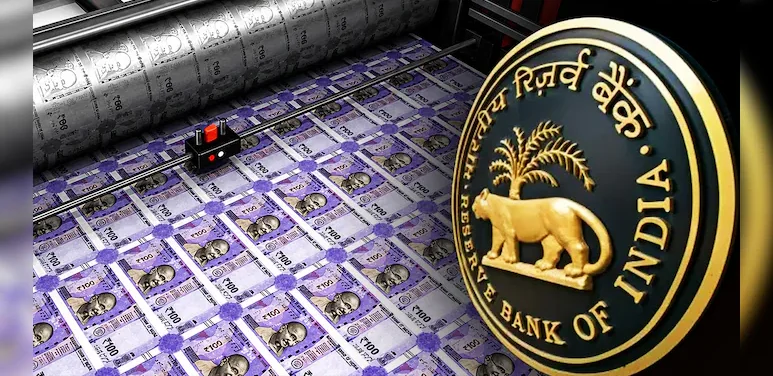
The Reserve Bank of India (RBI) is once again exploring the possibility of introducing polymer currency notes, reviving a proposal that has remained under consideration for several years. The issue reportedly figured in recent RBI board meetings held in Patna and Mumbai, signalling renewed interest in a currency alternative that could significantly reduce long-term printing and replacement costs.
The renewed push comes amid growing concerns over the durability of paper currency notes and the substantial expenditure incurred in printing and replacing worn-out notes across the country.
Why RBI Is Considering Polymer Notes
Polymer notes are made from a special plastic substrate instead of traditional cotton-based paper. These notes are known for their durability, resistance to moisture, dirt, and tearing, making them particularly suitable for countries with diverse climatic conditions and high cash circulation.
While the initial production cost of polymer notes is generally higher than paper currency, their longer lifespan reduces the frequency of replacement, resulting in lower maintenance costs over time.
Many experts believe polymer currency could offer a practical solution to India’s recurring challenge of managing heavily circulated and damaged banknotes.
Currency Printing Costs Remain High
According to RBI annual report data, currency printing continues to place a significant financial burden on the system.
The expenditure on printing currency notes reached Rs 6,372 crore in FY25 before declining to Rs 4,875 crore in FY26. In comparison, printing costs had surged to an exceptional Rs 7,965 crore in FY17 following demonetisation and the introduction of new currency notes.
Although annual expenses fluctuate, the overall cost of maintaining currency circulation remains substantial due to the large volume of notes that require replacement every year.
Damaged Notes Continue To Drive Replacement Cycle
A major concern for the RBI is the high number of soiled and damaged notes withdrawn from circulation annually.
Recent data shows that high-denomination and frequently used notes account for the largest share of currency disposal. During FY26, approximately 598.3 crore pieces of Rs 500 notes and 581.1 crore pieces of Rs 100 notes were removed from circulation due to wear and tear.
The continuous replacement of damaged notes increases operational costs and places additional pressure on currency printing infrastructure.
Global Trend Towards Polymer Currency
Several countries have already transitioned to polymer banknotes because of their durability and enhanced security features.
Countries such as Australia, Canada and the United Kingdom have fully adopted polymer currency, while several other nations have implemented the technology for select denominations.
Polymer notes are also considered more resistant to counterfeiting due to advanced security features that can be embedded into the substrate.
India’s Earlier Polymer Note Experiment
India had previously tested polymer currency through pilot projects in 2012. However, the initiative did not progress beyond the trial stage and paper-based currency continued to remain the primary medium of cash circulation.
With the RBI now revisiting the proposal and mounting evidence pointing towards rising replacement costs and durability challenges, the case for polymer notes appears stronger than before.
A Step Towards More Efficient Currency Management
If implemented, polymer banknotes could help India reduce long-term printing expenditure, improve note durability and enhance security against counterfeiting.
As the RBI evaluates the feasibility of the proposal, the discussion is increasingly shifting from simply printing more currency to creating a more sustainable and cost-effective currency management system for the future.