
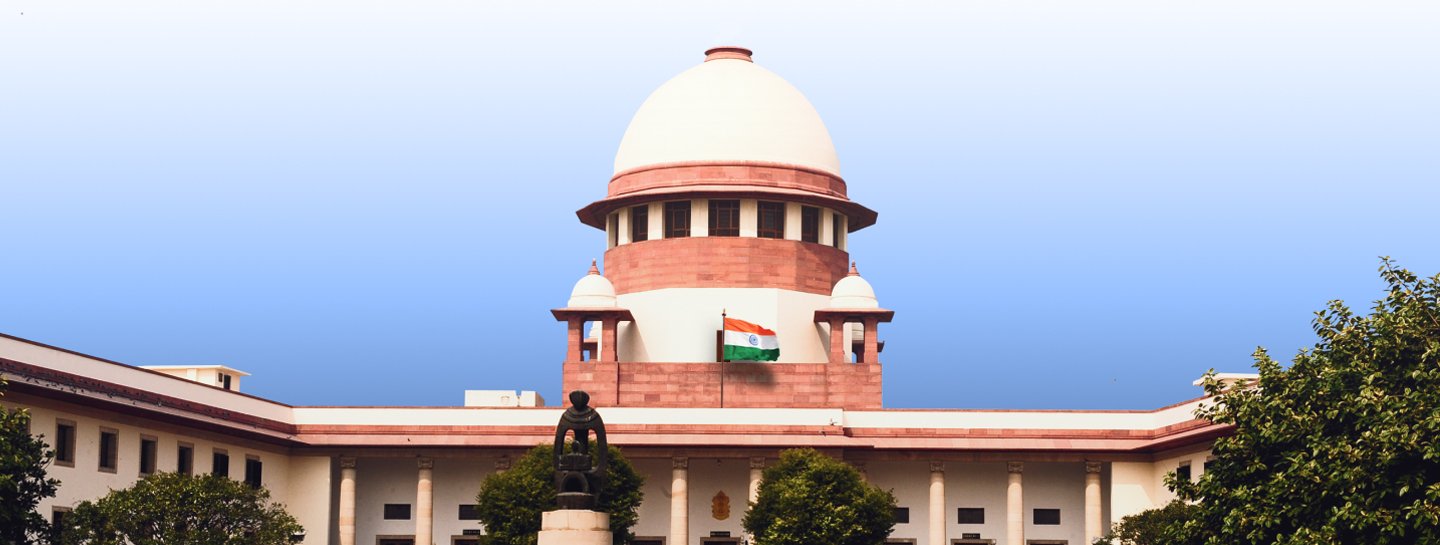
The Supreme Court of India on Tuesday launched a nationwide initiative aimed at encouraging consensual dispute resolution and reducing the mounting burden of pending cases in the judiciary. Titled “Supreme Court Action for Mediated Adjudication and Disputes Harmonization Across Nation” (Samadhan Samaroh 2026), the initiative will culminate in a special Lok Adalat scheduled to be held from August 21 to 23.
The programme has been introduced as part of the apex court’s broader push towards promoting mediation and alternative dispute resolution (ADR) mechanisms as key pillars of judicial reform in India.
Four-Month Nationwide Mediation Drive Begins
According to a public notice issued by the Supreme Court, the initiative formally began on April 21 and will continue for four months. During this period, litigants, lawyers and other stakeholders will be encouraged to voluntarily opt for amicable settlement of pending cases through mediation and consent-based resolution mechanisms.
The court said the initiative aims to strengthen “participative justice” and ensure “doorstep delivery of justice” by making dispute resolution more accessible, less adversarial and faster for citizens.
Both physical and virtual participation modes have been introduced to facilitate wider access. Parties willing to settle disputes can register through a dedicated online portal created by the court. A specialised “war room” has also been established to coordinate and streamline the process ahead of the Lok Adalat sittings in August.
As of April 2026, more than 94,000 cases remain pending before the Supreme Court, highlighting the urgent need for faster and more efficient resolution systems.
CJI Surya Kant Pushes ADR Reforms
The initiative is being implemented under the leadership of Chief Justice of India Surya Kant, who has repeatedly advocated for mainstreaming mediation and arbitration within India’s judicial framework.
In several recent public addresses, the CJI has described mediation as a transformative tool capable of reducing litigation pressure while preserving relationships between disputing parties.
Speaking at the Hindustan Times Leadership Summit in December 2025, Justice Surya Kant had called mediation one of the “game changers” for the future of India’s justice delivery system. He stressed that mediation creates a “win-win situation” where both sides can resolve disputes amicably without the bitterness often associated with prolonged courtroom battles.
He also highlighted the importance of making mediation more accessible and relatable for ordinary citizens by ensuring proceedings are conducted in familiar languages and comfortable environments.
Focus On Cultural Shift In Litigation
At a symposium organised by the High Court Bar Association of Orissa last year, the CJI had observed that ADR mechanisms, particularly mediation, possess “immense immediate potential” in addressing judicial delays and reducing case backlogs.
However, he cautioned that procedural reforms alone would not be sufficient unless litigants and institutions undergo a broader cultural shift in their approach towards disputes.
“Settlement is not surrender but strategy,” the CJI had remarked, urging parties to move beyond the perception that compromise signifies weakness. He also advised government departments to avoid routinely challenging every unfavourable judicial order, noting that such practices contribute significantly to the growing burden on courts.
Push To Make India A Global ADR Hub
Earlier this month, while addressing an international conference organised by the Indian Council of Arbitration in New Delhi, Justice Surya Kant reiterated that India’s ambition to emerge as a global hub for dispute resolution would depend on building a strong and integrated ADR ecosystem.
He emphasised that mediation and arbitration should function as complementary systems rather than competing mechanisms, especially in handling complex commercial and cross-border disputes.
Legal experts view Samadhan Samaroh 2026 as an important institutional effort to embed consensual dispute resolution at the highest level of the judicial hierarchy. While Lok Adalats are commonly associated with district and lower courts, the Supreme Court’s direct involvement in a structured mediation-driven exercise is being seen as a significant step towards reshaping India’s justice delivery framework.