
In a dramatic diplomatic breakthrough, the United States and Iran have agreed to a two-week ceasefire, averting a potential escalation in the West Asian conflict just minutes before a US deadline to launch further strikes on Iran.
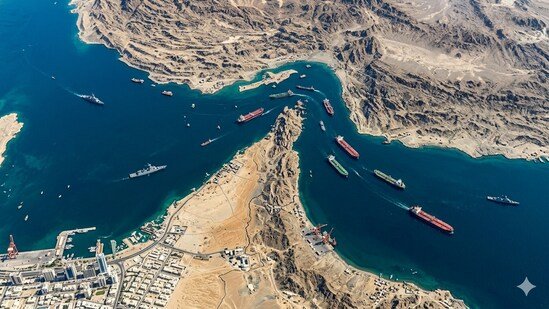
The temporary truce includes reopening the strategically vital Strait of Hormuz for global shipping, with provisions allowing Iran and Oman to collect transit fees from vessels passing through the waterway during the two-week period.
The agreement, announced Tuesday, has raised cautious optimism worldwide as tensions between the two adversaries had threatened global security and energy supplies.
Strait of Hormuz Reopens Under Temporary Arrangement
As part of the ceasefire arrangement, Tehran agreed to allow ships safe passage through the Strait of Hormuz, one of the world’s most critical maritime chokepoints through which a large share of global oil shipments travels.
The temporary arrangement allows both Iran and Oman to impose transit charges on vessels using the narrow shipping lane, an unusual provision aimed at maintaining security coordination and maritime regulation during the ceasefire period.
Ensuring navigation through the strait is seen as vital for global energy markets, which had faced uncertainty due to fears of disruption in oil supplies during the conflict.
White House Confirms Israel’s Participation in Ceasefire
According to the White House, Israel has also agreed to the ceasefire arrangement, although reports from the region indicated that Israeli military actions might still be ongoing.
A military official speaking anonymously said Israeli strikes on Iran continued early Wednesday, raising questions about the full implementation of the ceasefire.
The US administration said the last-minute agreement was reached less than an hour before President Donald Trump’s deadline to launch additional military action against Iran expired.
Trump reportedly decided to suspend further strikes after diplomatic appeals from Pakistan’s leadership, which pushed for immediate de-escalation.
Pakistan to Host Peace Talks in Islamabad
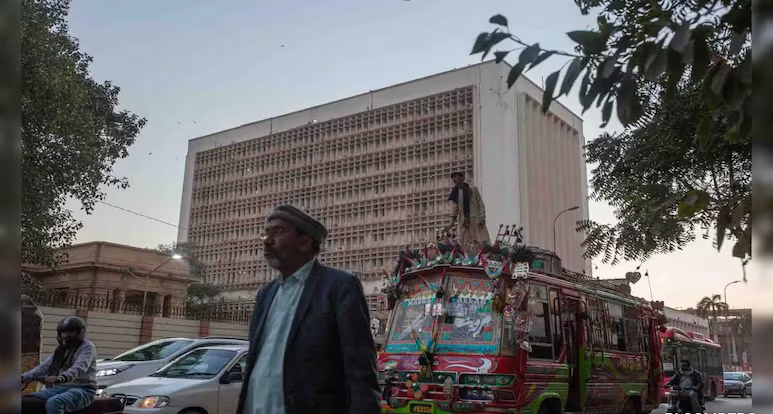
Following the ceasefire announcement, Pakistan confirmed it will host diplomatic negotiations between the United States and Iran in Islamabad starting Friday.
Pakistan Prime Minister Shehbaz Sharif, who played a key mediating role, said Islamabad would welcome delegations from both countries to work toward a “conclusive agreement” aimed at ending the conflict permanently.
The proposed talks are expected to focus on security concerns, regional stability, and long-term peace arrangements in the Middle East.
Iran Calls Truce a Strategic Success
Iran described the ceasefire as a diplomatic success, signaling that negotiations could pave the way for broader agreements.
However, Iran’s Supreme Leader Mojtaba Khamenei warned that the conflict may not be fully over, even as he ordered all Iranian military units to cease firing in accordance with the temporary truce.
In a statement broadcast on state television, Khamenei said:
“This is not the end of the war, but all military branches must follow the Supreme Leader’s order and cease their fire.”
His remarks indicate that Tehran remains cautious and prepared for possible escalation if negotiations fail.
Regional Armed Groups Also Pause Operations
The Islamic Resistance in Iraq, a coalition of Iran-backed armed groups, announced it would suspend military operations for two weeks in response to the US-Iran ceasefire.
The move is seen as an attempt to support de-escalation efforts and reduce tensions across the wider region.
Meanwhile, a senior United Arab Emirates official claimed the country had emerged victorious from the conflict, reflecting the complex geopolitical narratives surrounding the confrontation.
Global Attention on Next Phase of Negotiations
With the ceasefire now in place, international focus has shifted to the upcoming negotiations in Islamabad, which could determine whether the pause in hostilities leads to a long-term peace agreement.
Diplomats and analysts say the two-week window will be crucial for building trust and resolving key disputes between Washington and Tehran.
If successful, the talks could help prevent further escalation and stabilize a region that has long been at the center of global geopolitical tensions.