
Pakistan is set to return matured loan deposits worth around $3.5 billion to the United Arab Emirates (UAE), a development that could place additional pressure on the country’s already fragile foreign exchange reserves.
The announcement was made through a statement by Pakistan’s Foreign Ministry, which said the deposits had been placed under bilateral commercial agreements as part of the UAE’s support for Pakistan’s economic stability and financial system.
UAE Deposits Mature, Repayment Through Central Bank
According to the ministry, the loan deposits have now matured and will be returned through the State Bank of Pakistan (SBP). However, officials did not specify whether a new agreement or rollover arrangement would be negotiated in the future.
The decision comes despite earlier statements from State Bank of Pakistan Governor Jameel Ahmad, who had indicated that bilateral partners were expected to continue rolling over their loans to help stabilise Pakistan’s economy.
It remains unclear what prompted the change that led to the repayment of the UAE deposits.
Pressure on Pakistan’s Foreign Exchange Reserves
The repayment is expected to put considerable strain on Pakistan’s foreign exchange reserves, which stood at approximately $16.4 billion as of March 27.
Economists warn that returning the funds could create a significant gap in Pakistan’s external financing, particularly as the country faces other upcoming debt obligations.
In addition to the UAE repayment, Pakistan is also scheduled to repay a $1.3 billion international bond in April, further tightening its financial position.
Energy Costs and Global Tensions Add Pressure
The situation comes at a time when global energy prices are rising due to ongoing conflict in the Middle East, which has increased import costs for energy-dependent economies like Pakistan.
Recently, the Pakistani government scrapped a blanket fuel subsidy and raised petrol and diesel prices, marking the first increase in nearly a month as authorities attempt to manage fiscal pressure and rising oil costs.
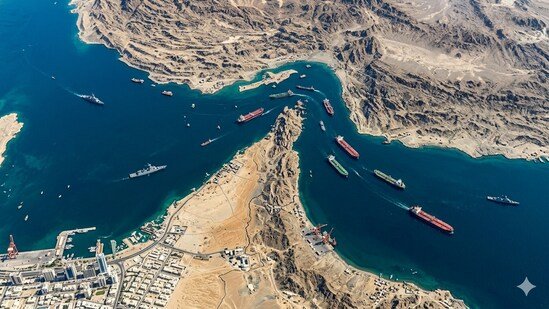
Experts warn that disruptions in global shipping routes, including concerns surrounding the Strait of Hormuz, could further complicate the country’s energy supply and financial outlook.
Dependence on Friendly Nations
Pakistan has relied heavily on financial assistance and deposits from friendly countries, including China, Saudi Arabia, and the UAE, to maintain stability in its external accounts.
Estimates suggest that the country holds around $12 billion in deposits and loans from these partner nations, many of which have historically been rolled over annually upon maturity.
Such support played a critical role in helping Pakistan avoid a balance-of-payments crisis in 2019, when Saudi Arabia and the UAE together extended about $4 billion in financial assistance.
Concerns Over Financial Gap
Economic experts have warned that returning the UAE deposits could create a significant financing gap for Pakistan.
Analysts believe the government may need to engage with the International Monetary Fund (IMF) to address the impact on reserve targets and ensure the continuation of its financial support programme.
Last month, the IMF noted that Pakistan’s inflation and current account balance had remained relatively contained, while the country’s external financial buffers had shown signs of improvement following an initial agreement on the third tranche of its bailout package.
However, the repayment of the UAE deposits may complicate the situation and require fresh financial planning to maintain reserve stability.