
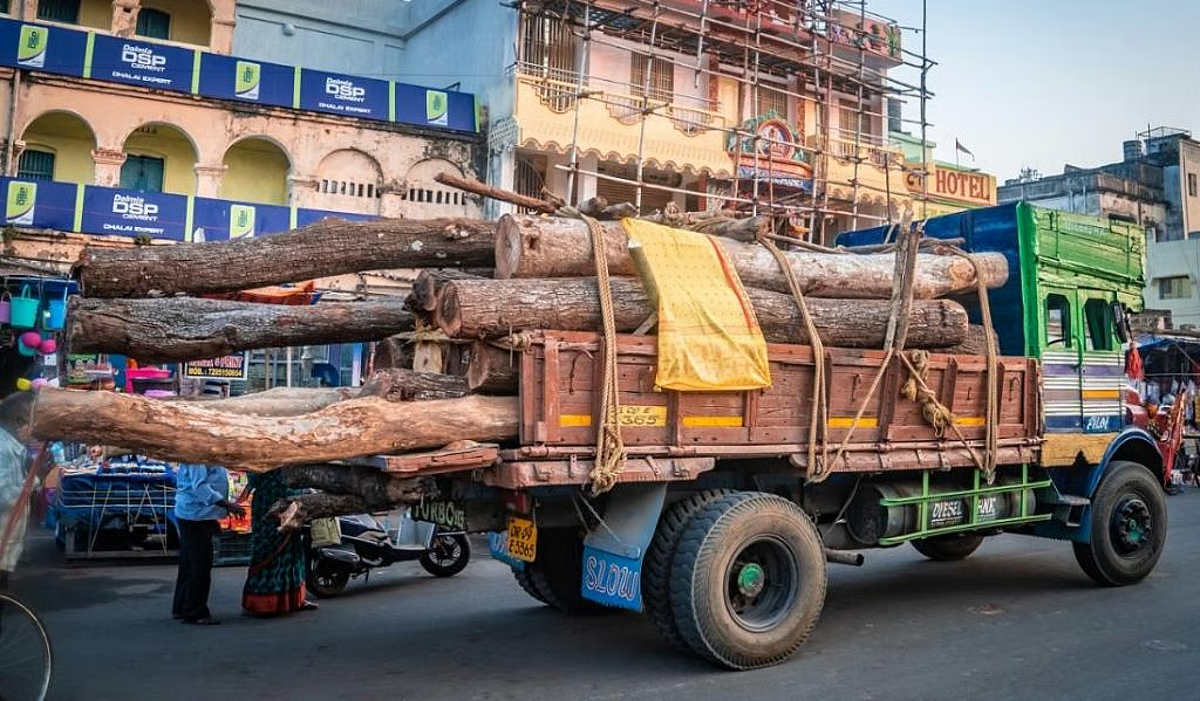
Puri: Preparations for the annual Rath Yatra of Lord Jagannath are progressing steadily as the fourth consignment of timber for chariot construction arrived in Puri on Sunday night.
The latest batch of wood was transported from the Madhopur range under the Boudh forest division. Officials confirmed that 52 pieces of timber were delivered in two trucks, including 37 logs measuring 12 feet and 15 logs measuring 20 feet.
With this arrival, the phased transportation of wood required for building the three sacred chariots continues according to schedule.
Materials and Construction Process
The construction of the three grand chariots—Nandighosa (Lord Jagannath), Taladhwaja (Lord Balabhadra), and Darpadalana (Goddess Subhadra)—requires a large quantity of specially selected timber and skilled craftsmanship.
According to temple sources:
- 12 different species of wood are used in the construction
- These include Dharua, Phasi, and Asana
- Around 1,100 large logs and 865 smaller logs are required in total
- The wood is crafted into nearly 4,000 individual components
The chariots are built using traditional tools such as Mugdara mallets and Barishi axes, reflecting the continuation of centuries-old craftsmanship practiced by temple artisans.
Traditional Decorative Elements
Apart from the structural framework, the chariots are also known for their distinctive decorative fabrics and colours.
Approximately 1,090 metres of Pipili appliqué cloth is used to decorate the chariots, each following a specific colour scheme associated with the deities:
- Lord Jagannath: Red and Yellow
- Lord Balabhadra: Green and Red
- Goddess Subhadra: Red and Black
These vibrant designs are a signature feature of the world-famous Rath Yatra festival.
Preparations for the Grand Festival
The arrival of successive timber consignments marks an important step in the elaborate preparation for the Rath Yatra, one of the largest religious festivals in India, drawing millions of devotees and visitors to Puri every year.
With construction activities underway, artisans and temple servitors continue their work following strict rituals and traditional practices passed down through generations.