
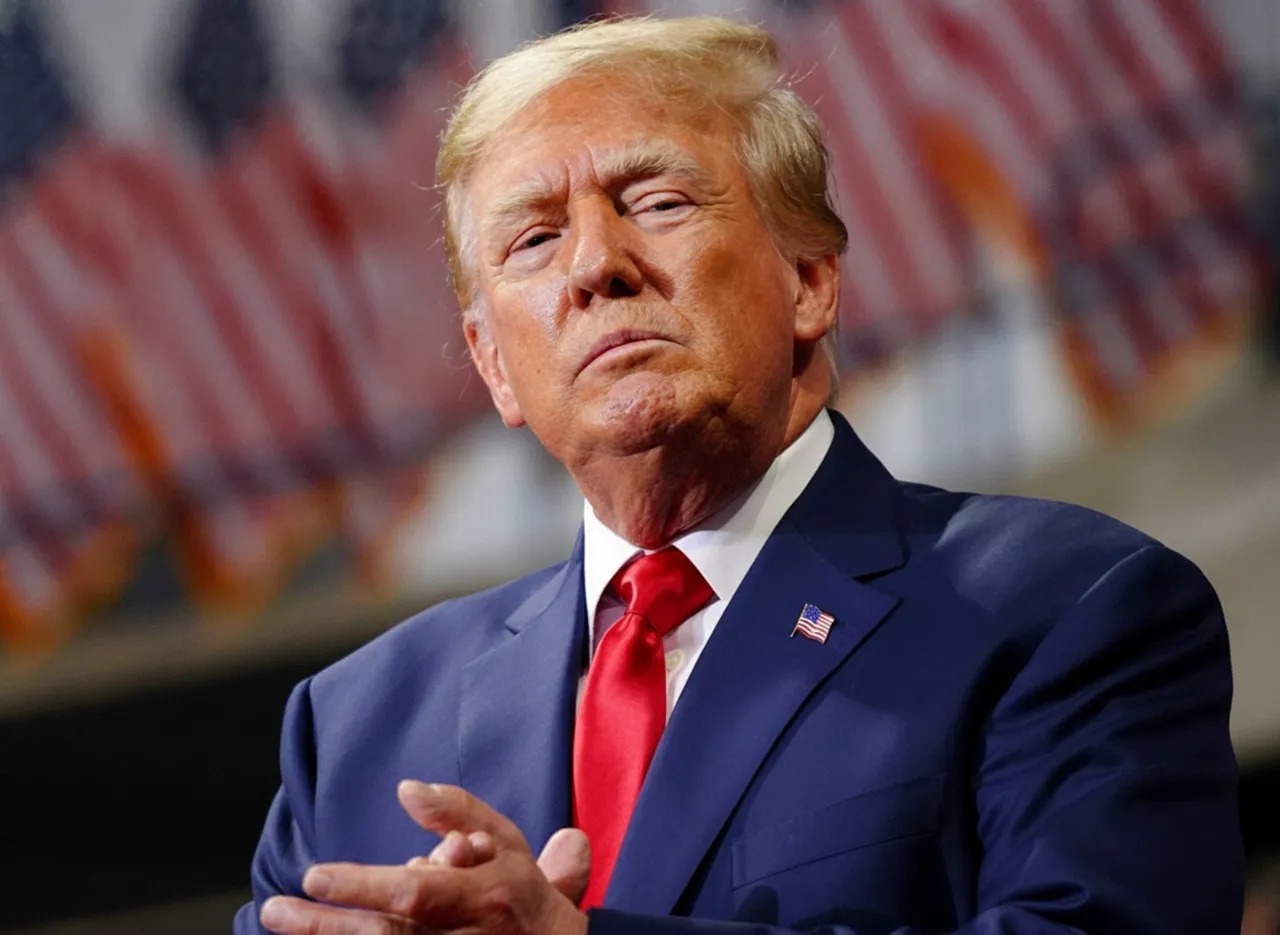
In a development that could ease escalating tensions in the Middle East, US President Donald Trump on Monday announced that the United States and Iran have held “very good and productive conversations” over the past two days, raising hopes of a potential diplomatic breakthrough after weeks of confrontation.
In a post on his social media platform Truth Social, Trump said he has instructed the US Department of War to suspend all planned strikes on Iranian power plants and energy infrastructure for the next five days. The pause, he noted, is conditional and will depend on the progress of ongoing discussions between the two sides.
Temporary Pause on Military Action
According to the announcement, Washington had been preparing potential strikes targeting Iran’s energy and power facilities, amid heightened tensions linked to disruptions in the Strait of Hormuz, one of the world’s most critical oil shipping routes.
However, Trump’s latest directive temporarily halts those plans, allowing space for diplomatic engagement.
The US president described the recent discussions with Tehran as “constructive and productive,” while emphasising that the suspension of military action remains dependent on the outcome of negotiations expected to continue throughout the week.
Shift From Ultimatum to Negotiation
The development comes shortly after Trump issued a stern ultimatum to Iran, warning that the United States could “hit and obliterate” Iranian power infrastructure if Tehran did not reopen the Strait of Hormuz within 48 hours.
The latest move suggests a cautious shift from direct confrontation toward diplomacy as both sides appear to explore possible solutions to the ongoing crisis.
Observers note that the decision to pause planned strikes could signal Washington’s willingness to test diplomatic channels before resorting to military escalation.
Iran Warns of Retaliation
Iran had responded strongly to the earlier warning, stating that any attack on its energy infrastructure would trigger widespread retaliation across the region.
Senior Iranian officials indicated that strategic facilities linked to US allies in the Middle East could become potential targets if hostilities escalate.
The Islamic Revolutionary Guard Corps (IRGC) also warned that energy installations connected to American interests might face attacks in response to any US strike.
At the same time, Tehran reiterated its position on the Strait of Hormuz, saying the key maritime route would remain restricted until damaged infrastructure and security concerns in the region are addressed.
Global Energy Markets on Edge
The tensions surrounding the Strait of Hormuz have already had a major impact on global energy markets. The narrow waterway, through which a significant portion of the world’s oil supply passes each day, has faced severe disruption since late February.
As a result, global crude prices have surged, with Brent crude rising above $110 per barrel, triggering concerns about inflation, supply shortages, and economic uncertainty worldwide.
Shipping disruptions and security threats in the Gulf have also forced several vessels to reroute, adding pressure to already volatile energy markets.
Conflict Continues Despite Talks
Despite the renewed diplomatic engagement, the situation across the Middle East remains fragile. Military activity continues in several parts of the region, including strikes and counterattacks involving US, Israeli, and Iran-backed forces.
Security analysts warn that while negotiations offer a possible path toward de-escalation, the region remains highly volatile, with diplomacy and military tensions unfolding simultaneously.
For now, the temporary pause in planned strikes provides a narrow window for negotiations, but the coming days are likely to determine whether the crisis moves toward de-escalation or further confrontation.