
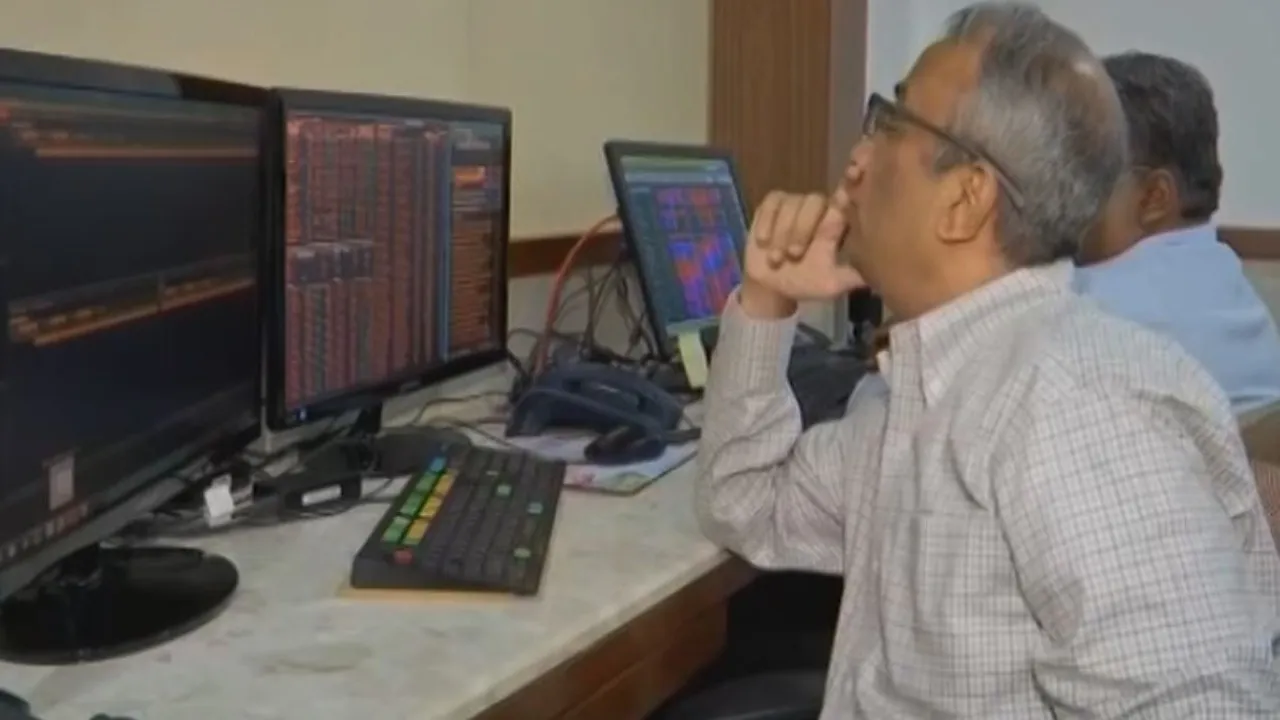
Escalating geopolitical tensions in the Middle East have intensified volatility in global financial markets, with India witnessing a sharp fallout as investors lost nearly ₹12 lakh crore in a single trading session on Thursday.
Markets Under Pressure from Oil Price Surge
The sharp decline in Indian equities is largely attributed to rising uncertainty following attacks on key oil and gas infrastructure in the region. The surge in global benchmarks like Brent Crude has heightened concerns over:
-
Rising inflation
-
Increased import costs
-
Pressure on corporate earnings
As energy prices climb, investors turned cautious, triggering a broad-based sell-off across sectors.
FII Outflows Deepen the Sell-Off
The downturn was further aggravated by heavy withdrawals from Foreign Institutional Investors (FIIs), reflecting a global shift towards safer assets amid uncertainty. Such outflows typically put pressure on emerging markets like India, accelerating market declines.
DIIs Step In to Stabilise Markets
Domestic Institutional Investors (DIIs), however, provided some relief by injecting liquidity into the markets. Their buying support helped limit losses and enabled a partial recovery during the session.
Global Economic Stress Signals
Market experts also pointed to broader global economic challenges influencing investor sentiment, including:
-
Strong demand for the US dollar
-
Elevated global interest rates
-
Rising household debt stress in major economies
These factors are contributing to continued instability in global financial systems, with fears of slowing GDP growth.
Rupee Weakens Against Dollar
Amid the turbulence, the Indian rupee depreciated to around ₹93.40 against the US dollar, raising concerns about:
-
Higher import bills
-
Inflationary pressures
-
External sector vulnerability
A weaker rupee makes imports—especially crude oil—more expensive, compounding economic challenges.
Investor Advisory
Experts advise caution in the current scenario:
-
Long-term investors: Likely to remain stable if fundamentals are strong
-
Short-term investors: Advised to wait for market stability before fresh investments
Outlook: Volatility Likely to Persist
With geopolitical tensions ongoing, markets are expected to remain volatile in the near term. Key factors to watch include:
-
Movement in crude oil prices
-
Currency fluctuations
-
FII and DII activity
-
Developments in the Middle East conflict
The current situation underscores how global events continue to have a direct and immediate impact on India’s financial markets.