

India is significantly strengthening its fight against food adulteration through a combination of stricter enforcement, scientific testing, and technology-backed monitoring systems, signalling a more robust and accountable food safety ecosystem.
Massive Testing Drive and Strong Enforcement
According to recent data, food safety authorities tested over 5.18 lakh food samples between 2022–23 and 2024–25. These included widely consumed and high-risk items such as milk, ghee, spices, paneer, and honey—categories often prone to adulteration.
The large-scale surveillance led to decisive enforcement action:
-
88,192 cases resulted in penalties
-
3,614 cases led to convictions
-
1,161 food business licences were cancelled
These figures reflect a clear shift toward strict accountability and legal action against violators.
Centre-State Coordination in Food Safety
India’s food safety framework operates under a coordinated model led by the Food Safety and Standards Authority of India, which sets scientific standards and policies.
On-ground enforcement is carried out by state and Union Territory authorities through Food Safety Officers (FSOs) and Designated Officers (DOs), ensuring compliance with the Food Safety and Standards Act, 2006. This decentralised system allows localized enforcement with national consistency.
Risk-Based Inspection System Enhances Efficiency
A major reform in recent years is the adoption of the Risk-Based Inspection System (RBIS), which prioritises inspections based on the risk level of food businesses.
-
High-risk units undergo mandatory annual inspections
-
Lower-risk entities are monitored with reduced frequency but continued surveillance
Over 56,000 risk-based inspections have been conducted in the last three years, improving efficiency and focusing resources where violations are more likely.
Expansion of Food Testing Infrastructure
To support large-scale monitoring, India has significantly expanded its testing capacity:
-
252 laboratories recognised for routine food analysis
-
24 referral laboratories for appellate and confirmatory testing
This multi-layered system ensures accuracy, transparency, and credibility in testing outcomes.
Mobile Labs Boost On-the-Spot Testing
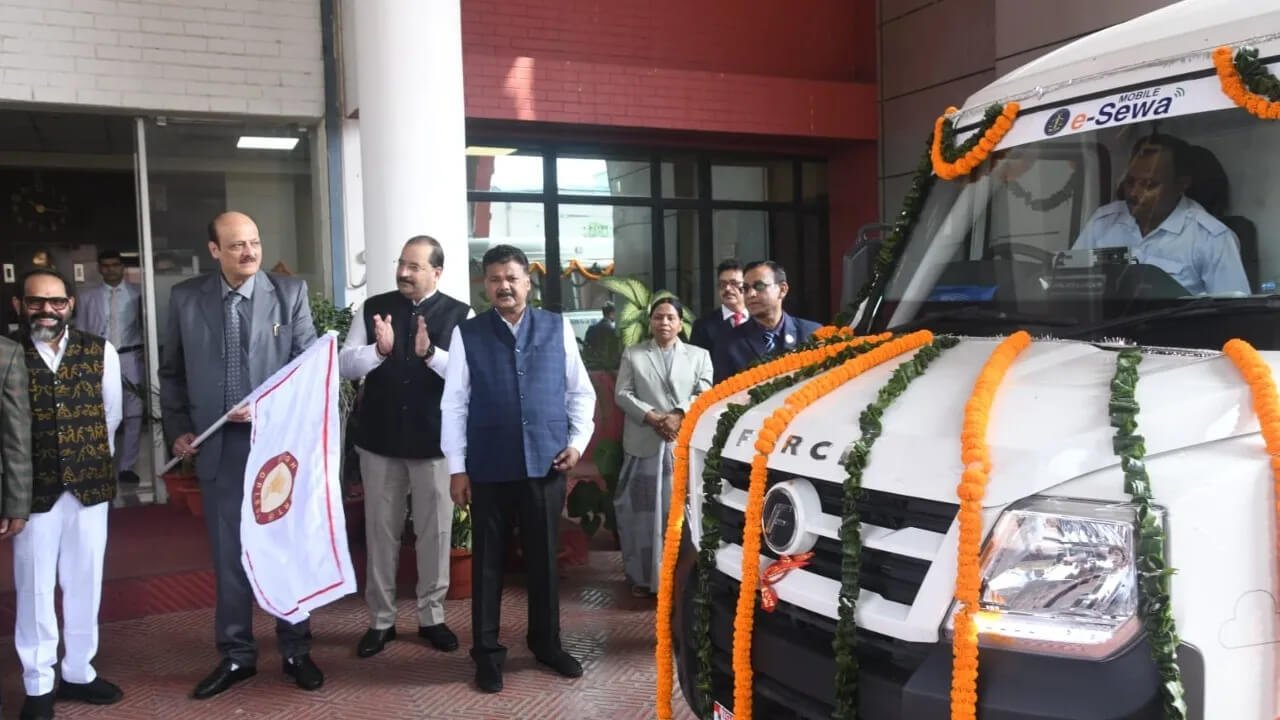
A key innovation in the anti-adulteration drive is the rollout of “Food Safety on Wheels” (FSW) mobile laboratories.
-
305 mobile labs operational across 35 States and UTs
-
Enable on-the-spot food testing in markets, fairs, and rural areas
These units bring testing closer to citizens, enabling quick action and stronger deterrence against malpractice.
Centre Supports States with Resources and Training
Recognising that enforcement lies largely with states, the Centre is providing financial and technical support, including:
-
Upgrading lab infrastructure
-
Strengthening inspection and licensing systems
-
Training enforcement personnel
-
Improving grievance redressal mechanisms
-
Providing logistics such as inspection vehicles
Initiatives like Eat Right Campus and Eat Right School are also promoting long-term awareness about food safety and healthy consumption.
Continuous Surveillance for Consumer Protection
Authorities are conducting year-round inspections and random sampling across the food supply chain—from manufacturing units to retail outlets—ensuring early detection of adulteration and strict compliance with safety norms.
Towards a Safer Food Ecosystem
India’s evolving food safety framework reflects a shift toward a data-driven, technology-enabled, and citizen-centric approach. With stricter penalties, improved infrastructure, and smarter inspections, the country is building a system that not only detects violations but actively prevents them.
The update was shared in the Rajya Sabha by Prataprao Jadhav, underlining the government’s commitment to ensuring safe and unadulterated food for all citizens.