
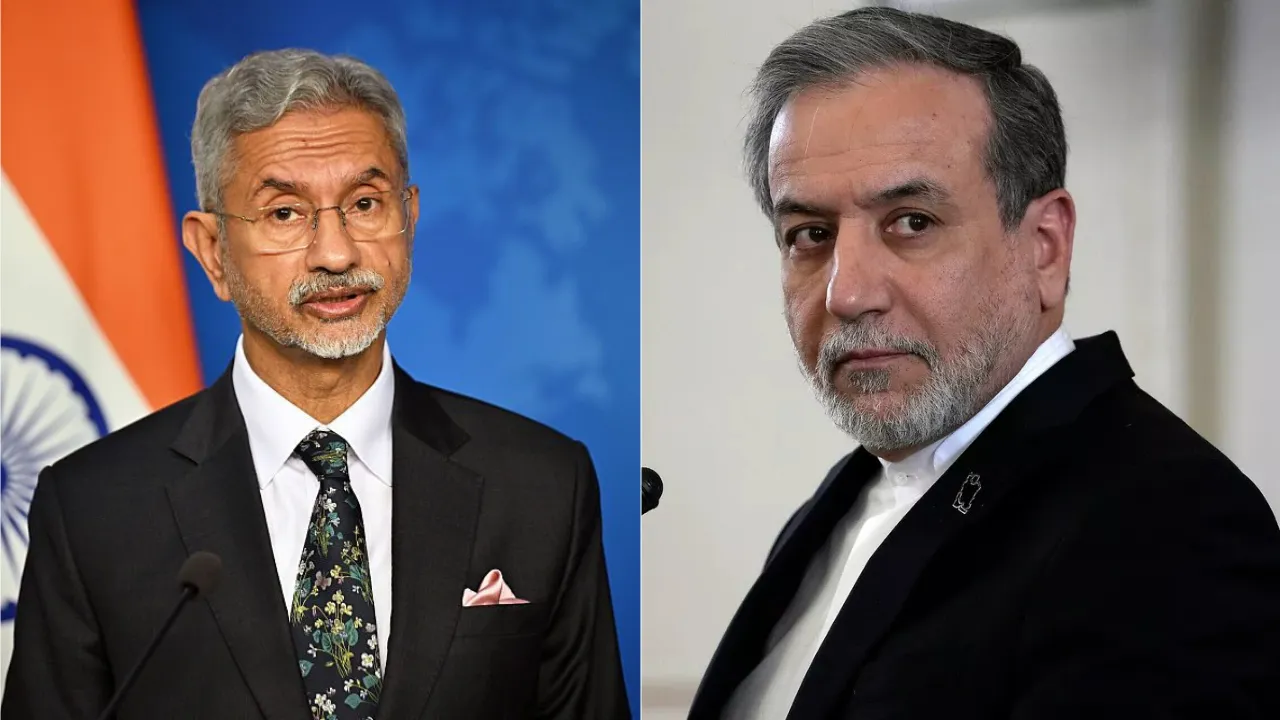
India has stepped up diplomatic engagement amid the escalating conflict in West Asia, with External Affairs Minister S. Jaishankar holding a detailed conversation with his Iranian counterpart Seyed Abbas Araghchi on Tuesday. The discussion focused on the rapidly evolving security situation in the region and the growing concerns over disruptions to global energy supplies.
According to Jaishankar, the two leaders reviewed the latest developments surrounding the ongoing conflict and exchanged views on its wider geopolitical and economic implications. The minister later shared on social media that the conversation was “detailed and constructive,” adding that both sides agreed to remain in contact as the situation continues to unfold.
This marks the third interaction between the two ministers since tensions intensified in the region. The latest diplomatic engagement highlights India’s efforts to maintain open communication channels with key stakeholders in West Asia while safeguarding its strategic and economic interests.
Concerns Over Global Energy Supplies
The conversation assumes particular significance for India as the conflict has begun to impact global energy markets. Iran has effectively blocked the strategically vital Strait of Hormuz, a narrow maritime corridor connecting the Persian Gulf with the Gulf of Oman. The waterway is considered one of the world’s most critical energy transit routes, handling nearly 20 percent of global oil and liquefied natural gas (LNG) shipments.
Any prolonged disruption in this route could trigger serious consequences for energy-importing countries, including India, which relies heavily on crude oil imports to meet its domestic energy demand. The closure of the route has already caused volatility in global oil and gas prices, raising concerns about potential supply chain disruptions across international markets.
Leadership Change in Iran
The diplomatic outreach also comes at a time of major political developments within Iran. The country recently announced the appointment of Mojtaba Khamenei as its new Supreme Leader following the death of Ali Khamenei in a joint strike carried out by the United States and Israel earlier this year.
The leadership transition in Tehran has added another layer of uncertainty to the already tense regional environment. Analysts believe the change in leadership could influence Iran’s strategic decisions in the ongoing conflict and its diplomatic engagement with the international community.
India Maintaining Diplomatic Balance
India has traditionally maintained balanced relations with all major players in West Asia, including Iran, Israel, and Gulf countries. With the conflict now affecting energy markets and regional stability, New Delhi has intensified diplomatic efforts to stay closely engaged with developments while ensuring the safety of its citizens and economic interests.
Jaishankar and Araghchi had earlier held discussions on February 28 and March 5, soon after tensions escalated. The continuing dialogue reflects India’s attempt to remain actively involved in diplomatic communication during a period of heightened geopolitical uncertainty.
As the crisis continues, India is expected to closely monitor the situation in the region, particularly developments that may impact energy supplies, global trade routes, and overall regional stability.