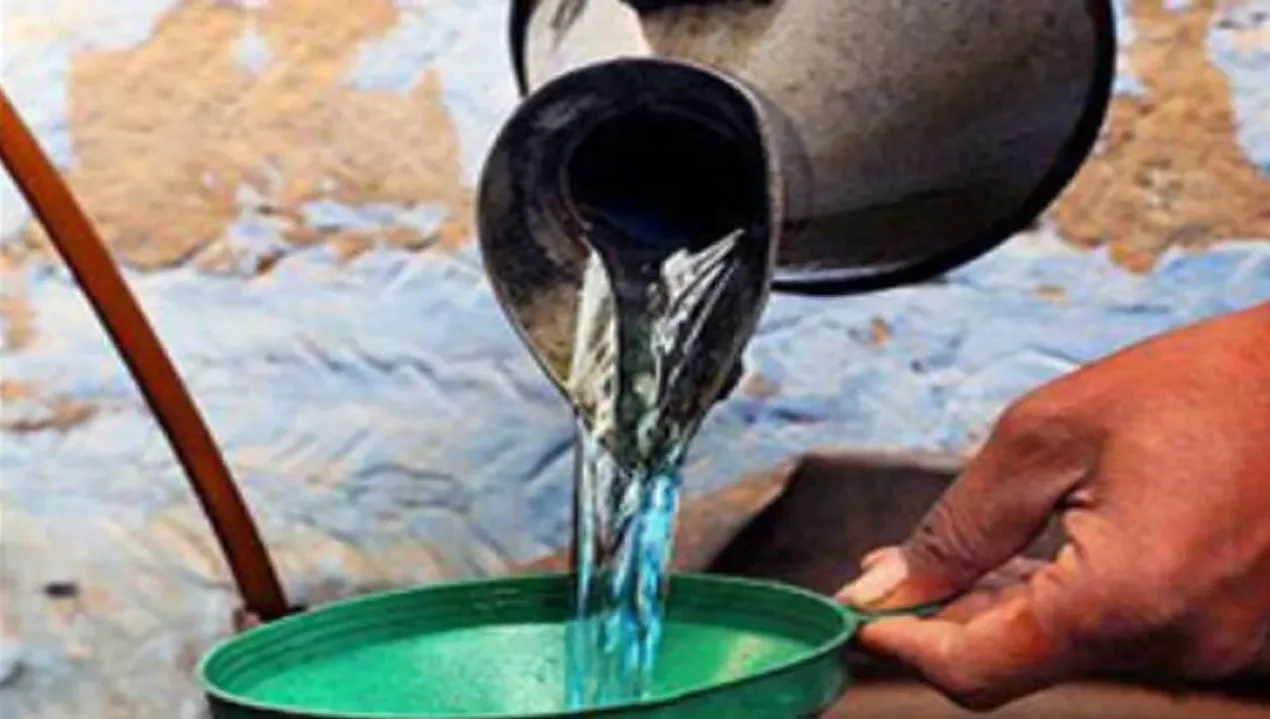

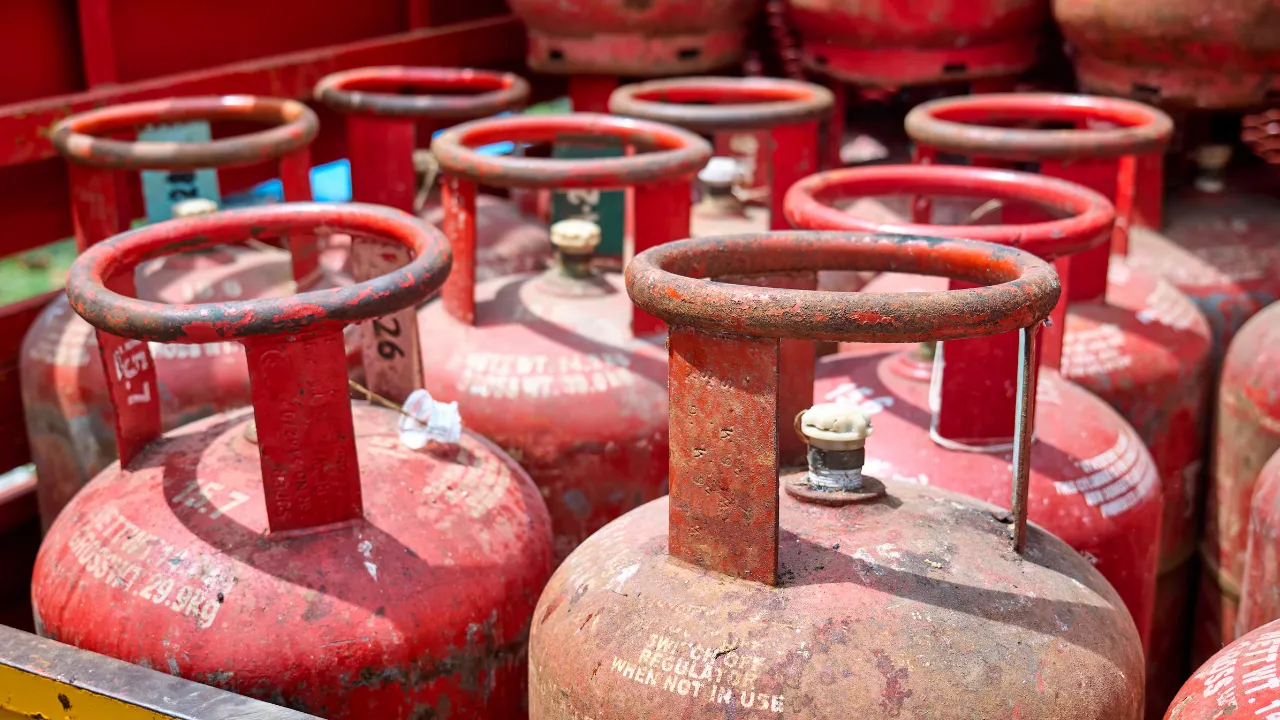
The ongoing conflict involving Israel, United States and Iran has begun impacting domestic supply chains in India, with a severe shortage of commercial LPG affecting hotels and restaurants in Maharashtra. The hospitality sector, particularly in Mumbai, is facing operational challenges as disruptions in fuel supply force businesses to cut menus, slow down cooking processes and even procure gas cylinders from the black market to stay afloat.
According to industry representatives, nearly 20 percent of hotels and restaurants in Mumbai have already shut down, and the situation could worsen rapidly if supplies are not restored soon. Trade bodies have warned that up to 50 percent of food outlets in the city could close within the next two days if the shortage continues.
Hospitality Sector Under Pressure
A representative of the Indian Hotel and Restaurant Association said the industry understands the reasons behind the supply restrictions but appealed for partial relief.
“We understand the circumstances, but instead of a blanket stoppage, the supply should continue at least at 25 percent so hotels can somehow survive,” the representative said.
However, Chhagan Bhujbal, Maharashtra’s Minister for Food, Civil Supplies and Consumer Protection, said prioritising domestic LPG supply remains the government’s top priority. He confirmed that discussions were held with industry representatives but maintaining even a limited commercial supply could prove difficult.
Bhujbal also suggested that restaurants may temporarily explore the use of kerosene, although he acknowledged that infrastructure challenges and safety concerns make such alternatives difficult for many establishments.
Rising Costs and Black Market Purchases
Restaurants across the city have begun paying significantly higher prices to secure LPG cylinders in the black market.
Amar Jinwal, operations head of the Mumbai-based fine-dining restaurant East Asia, said the establishment has been facing LPG shortages for the past four days.
“To keep our restaurant running, we are paying at least 30 percent more than the usual LPG price. We are somehow managing operations,” he said, adding that the restaurant is exploring induction cooking but it is not a practical long-term solution.
Another restaurant chain owner operating more than seven outlets in the city said procuring LPG cylinders has become extremely difficult even through unofficial channels, with prices rising sharply.
Shortage Spreads Across Cities
The Hotel and Restaurant Association of Western India (HRAWI) has reported severe LPG shortages not only in Mumbai but also in major cities such as Pune, Aurangabad and Nagpur.
Similar disruptions have also been reported in several other states, including Delhi, Karnataka, Telangana and Andhra Pradesh, raising concerns about a wider national impact on the food service industry.
Pradeep Shetty, Vice-President of the Federation of Hotel and Restaurant Associations of India and spokesperson for HRAWI, warned that the situation could worsen quickly.
“If the supply crisis continues, we could see temporary shutdowns of nearly half the restaurants in Mumbai, depending on how long existing cylinder stocks last,” he said.
Appeal to the Centre
The Association of Hotels and Restaurants (AHAR) has written to Union Petroleum Minister Hardeep Singh Puri urging the government to reconsider its directive that restricts newly procured LPG supplies exclusively for domestic consumers.
According to the association, any prolonged disruption to commercial LPG supply could severely affect employment in the hospitality sector. Industry estimates suggest that the sector supports around 40 lakh direct jobs, 60 lakh indirect jobs, and nearly 2 crore people whose livelihoods depend on it.
Shift to Electric Cooking Not Feasible Yet
While some establishments are exploring alternatives such as electric or induction-based cooking systems, industry experts say these options are not practical for most commercial kitchens.
Restaurants specialising in Indian cuisine require high-intensity and rapid cooking, which induction systems currently struggle to support at scale. Additionally, installing such infrastructure would require significant investments and structural modifications.
Industry leaders say the hospitality sector urgently needs restoration of uninterrupted commercial LPG supply to prevent widespread shutdowns and protect millions of jobs.