
In a major step toward building a fully digital toll collection ecosystem, the National Highways Authority of India (NHAI) has announced that cash payments at National Highway toll plazas will be discontinued from April 1, 2026. From that date onward, all toll transactions across National Highways and Expressways will be processed exclusively through digital payment modes such as FASTag and Unified Payments Interface (UPI).
The decision is aimed at modernising toll operations nationwide, reducing congestion at fee plazas, and ensuring faster, more transparent, and technology-driven toll collection. Officials say the move will significantly enhance commuter convenience while improving operational efficiency across the highway network.
Digital-Only Tolling Framework to Replace Cash Lanes
Under the new framework, toll payments will be accepted only through electronic channels. FASTag — the RFID-enabled sticker-based system linked to bank accounts — will remain the primary payment method, while UPI-based payments will serve as an alternative digital option at plazas.
Over the last few years, FASTag adoption has expanded rapidly, with penetration now exceeding 98 percent of registered vehicles using National Highways. The system enables automatic deduction of toll charges without stopping at booths, helping reduce queues and travel time.
Currently, vehicles without a valid FASTag are charged double the standard toll fee if they pay by cash. Vehicles choosing UPI payment at toll booths are typically charged 1.25 times the applicable user fee, creating a pricing incentive for FASTag usage. With cash set to be removed entirely, authorities expect full digital compliance from highway users.
Focus on Reducing Congestion and Disputes
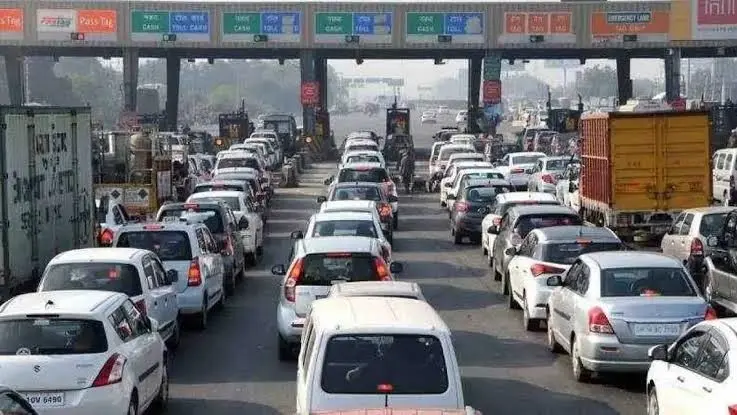
Traffic and operational assessments at multiple toll plazas have shown that cash transactions are a major cause of bottlenecks, especially during peak travel hours and holiday seasons. Manual cash handling often leads to longer processing times, calculation disputes, and lane slowdowns.
By eliminating cash payments, NHAI expects smoother vehicle flow, higher lane throughput, and shorter waiting times at more than a thousand toll plazas nationwide. The digital-only model is also expected to reduce human error, improve audit trails, and curb leakages in toll revenue collection.
Push for Technology-Driven Highway Infrastructure
The cashless tolling mandate is part of a broader push to build a smart, technology-enabled highway ecosystem in India. Authorities say digital toll collection reduces administrative burden, lowers operational costs, and improves accountability through automated transaction records.
The transition also aligns with the government’s wider digital payments expansion and electronic toll collection goals. With integrated digital systems, toll operators can monitor transactions in real time, generate automated reports, and respond faster to traffic surges.
Highway users have been advised to ensure that their FASTag accounts are active and sufficiently funded, or that they are equipped to make UPI payments, ahead of the April 2026 deadline.
Toward Seamless and Transparent Toll Experience
Officials describe the shift as a milestone in improving ease of commuting on National Highways. With end-to-end electronic toll collection, commuters are expected to benefit from faster passage through toll plazas, predictable charges, and a more seamless travel experience.
The digital-only toll regime is also expected to support future upgrades such as barrier-less tolling and GPS-based user fee systems, which are currently under evaluation for phased rollout.