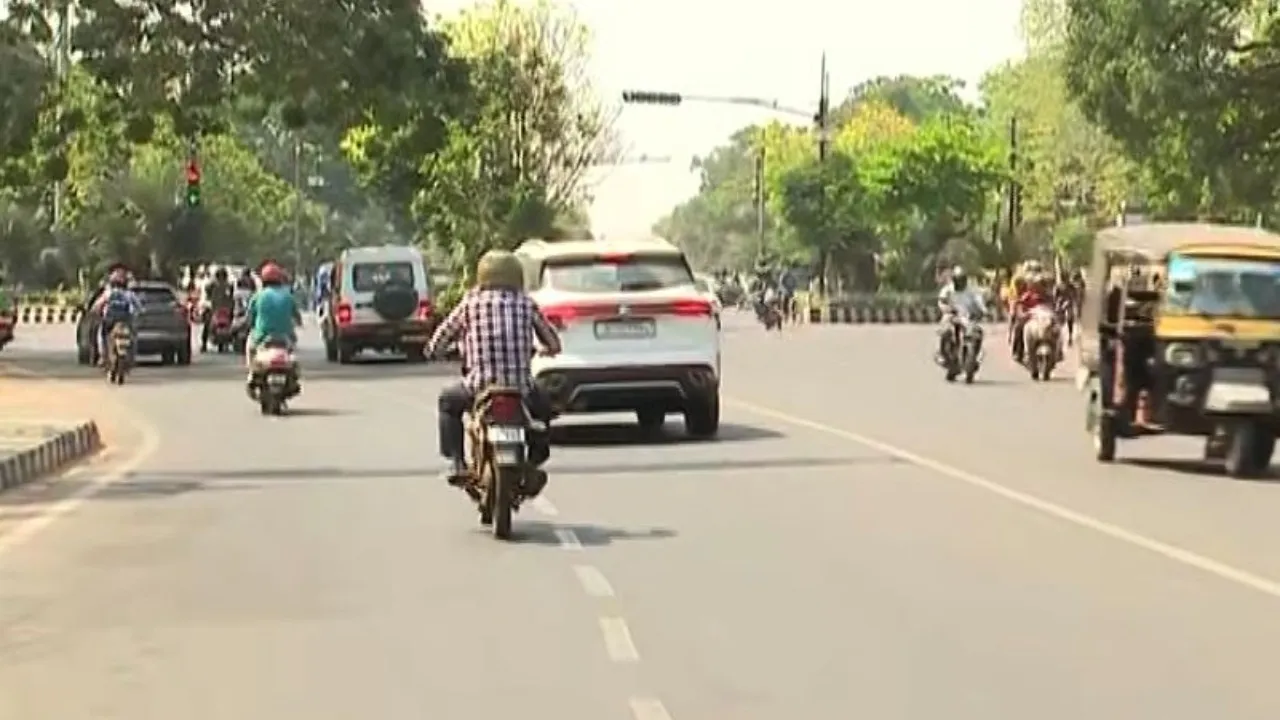

Fuel stations across Odisha may soon refuse to supply petrol and diesel to vehicles that do not carry a valid Pollution Under Control Certificate (PUCC), as the state government considers stricter enforcement of motor vehicle and environmental norms. The proposed move, aimed at reducing vehicular emissions, is part of a broader effort to prevent air pollution from worsening in the state.
According to sources, the initiative is being planned on the lines of similar measures implemented in Delhi, where fuel stations are barred from serving vehicles that violate pollution standards. If enforced, vehicles found operating without a valid PUCC or contributing excessively to environmental degradation could face immediate restrictions at fuel outlets.
The proposal has received mixed reactions from the public. While many have welcomed it as a proactive step towards environmental protection, others have raised concerns about its practical implementation, especially in rural areas.
Experts Welcome Move, Flag Ground-Level Challenges
Road safety expert Bikash Mohapatra described the government’s decision as timely, even though Odisha’s pollution levels are not as alarming as those in heavily polluted states like Delhi, Maharashtra, Rajasthan, or Uttar Pradesh.
“Preventive action is always better. Odisha still has an opportunity to curb pollution before it reaches critical levels,” Mohapatra said.
However, he cautioned that implementation could prove challenging. Many petrol pumps, particularly in rural and semi-urban areas, lack facilities to check vehicle emissions or issue PUCCs. He pointed out that authorized pollution testing centers are scarce in villages, which could make compliance difficult for a large section of vehicle owners.
To address this, Mohapatra suggested that petrol pumps should be mandated to install PUC testing units, enabling motorists to obtain certificates on the spot and ensuring smoother enforcement.
Fears of Queues, Delays and Misuse
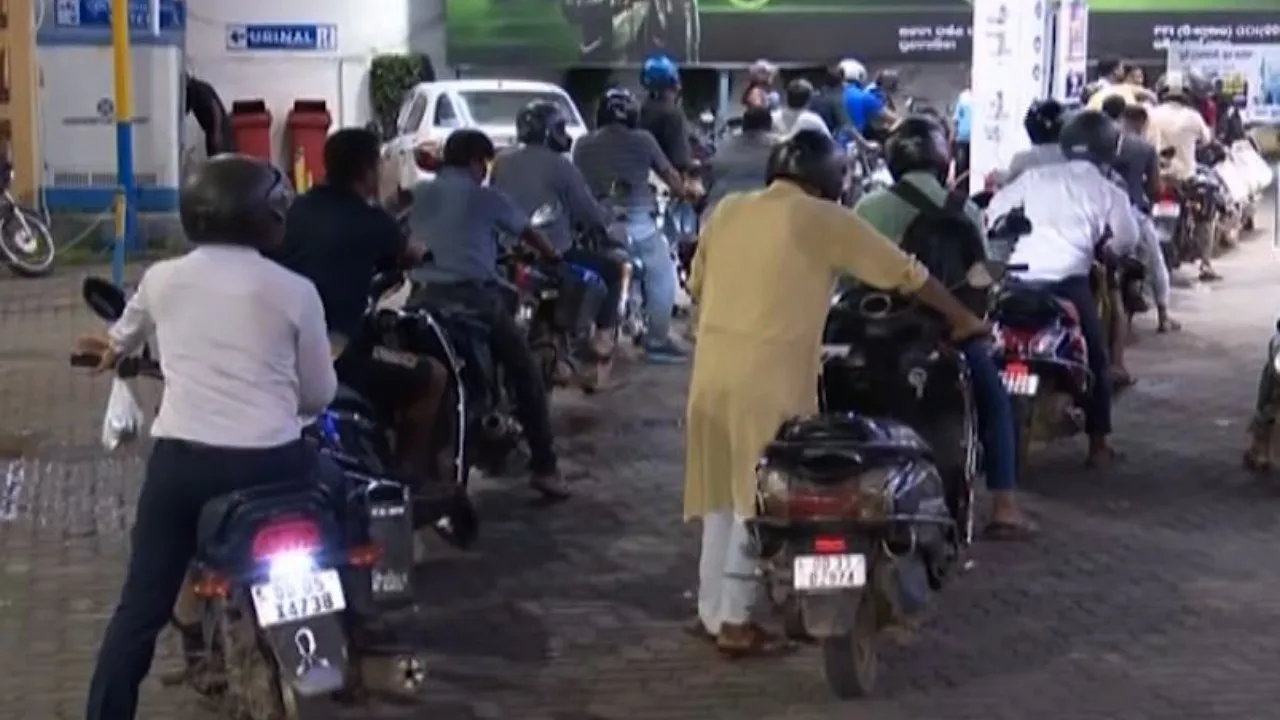
Some residents expressed apprehension that mandatory PUC verification at fuel stations could lead to long queues, traffic congestion, and delays. In certain cases, pollution testing can take up to 30 minutes, which may disrupt daily commuting if not managed efficiently.
There are also concerns that weak oversight could create opportunities for corruption, with allegations that some fuel stations might demand extra money to bypass checks. Experts have recommended that the government introduce a grace period, giving vehicle owners sufficient time to update their certificates before strict enforcement begins.
Past Directives Saw Limited Success
The proposed move follows earlier directives from the Odisha government asking petrol pumps not to supply fuel to riders without helmets and to stop dispensing fuel in plastic bottles. Officials have acknowledged that those instructions were not uniformly enforced on the ground, highlighting the need for stronger monitoring mechanisms this time.
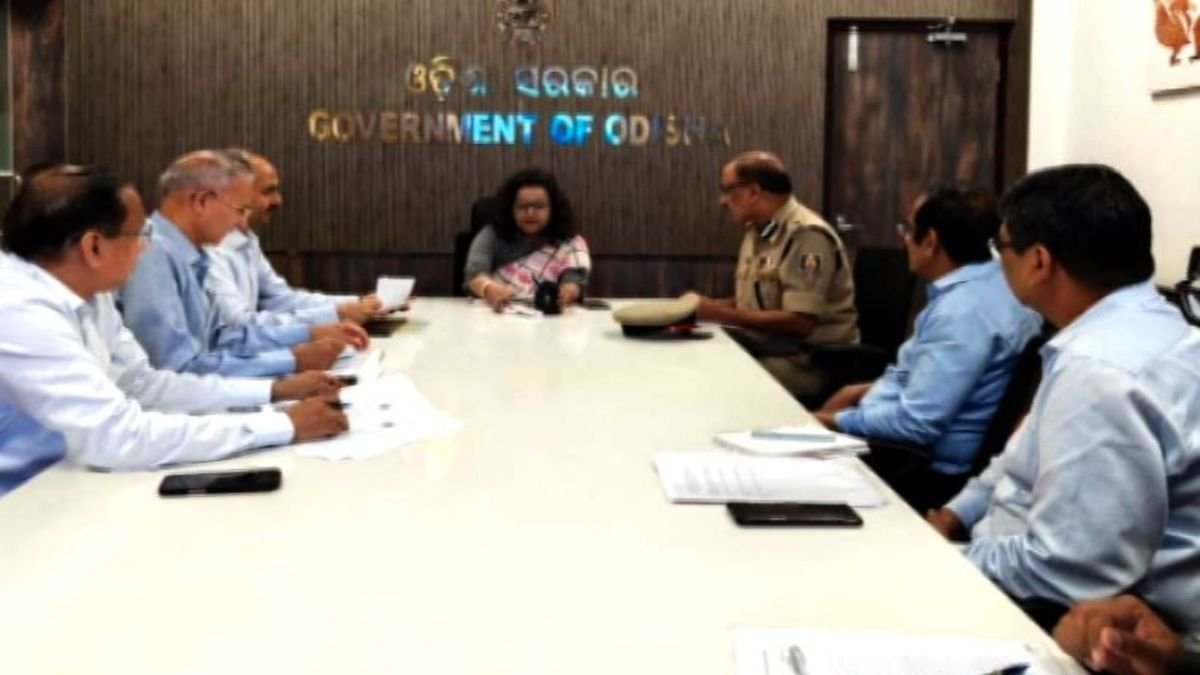
As of now, the state government has not issued detailed guidelines on how the PUCC-based fuel restriction will be rolled out. Discussions are ongoing to strike a balance between effective pollution control and practical, hassle-free implementation for citizens.