
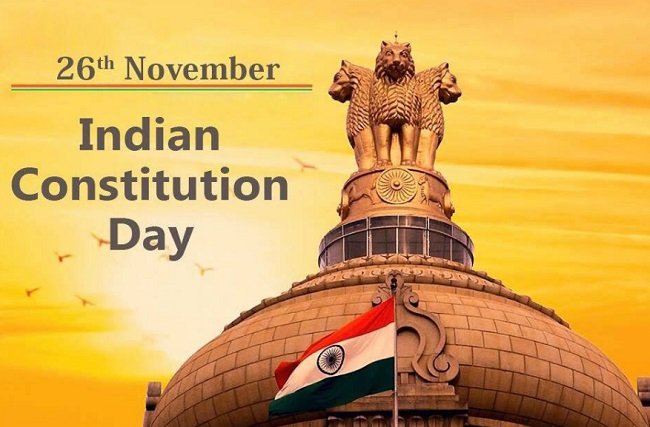
Every year on November 26, India observes Constitution Day, or Samvidhan Diwas, to commemorate the adoption of the Constitution of India in 1949. This historic day marks the foundation of India’s democratic framework and celebrates the vision of the leaders who shaped the nation’s legal and political identity.
Constitution Day is more than just a date—it is a reminder of India’s struggle for freedom, the need for a strong governance structure, and the values that guide the world’s largest democracy.
History of Constitution Day
After India gained independence in 1947, it became essential for the country to establish its own legal and administrative framework. The Constituent Assembly, formed in December 1946, took on the responsibility of drafting the Constitution. Dr Rajendra Prasad was elected as its President, and the Assembly had 389 members, including prominent leaders like Dr B.R. Ambedkar, Jawaharlal Nehru, and Sardar Vallabhbhai Patel.
Dr B.R. Ambedkar, known as the Architect of the Indian Constitution, led the Drafting Committee, which examined each aspect of governance, citizens’ rights, the federal structure, and judicial powers.
After nearly three years of debates, discussions and revisions, the Constitution was finally adopted on November 26, 1949, and it came into full effect on January 26, 1950, which is celebrated as Republic Day.
Why November 26 Is Celebrated as Constitution Day
November 26 holds historical significance because it was on this day that the Constitution was formally adopted. Though it came into force two months later, November 26 marked India’s transformation from a colonial system to a sovereign, democratic republic.
In 2015, the Government of India officially declared November 26 as Constitution Day to promote awareness about the Constitution and to honour Dr Ambedkar’s contribution to nation-building.
Importance of Constitution Day
Constitution Day serves several important purposes:
1. Honours the Constitution
It highlights the importance of the document that defines fundamental rights, duties, and the structure of the government.
2. Recognises the Architects of the Constitution
The day pays tribute to Dr Ambedkar and other members of the Constituent Assembly for their vision and dedication.
3. Promotes Constitutional Values
It spreads awareness about the principles of justice, equality, liberty, and fraternity that the Constitution upholds.
4. Encourages Civic Awareness
It reminds citizens of their rights and responsibilities and the importance of respecting constitutional institutions.
A Pillar of Democracy
The Constitution remains the backbone of India’s democracy. It ensures that everyone is equal before the law, the fundamental rights of citizens are protected, and the government works within a legal framework.
By observing Constitution Day, India not only pays homage to its founding leaders but also reaffirms its commitment to democracy, constitutional supremacy, and nation-building.