
India’s metro rail network has recorded remarkable expansion over the past decade, reshaping urban transportation and improving the financial stability of households in major cities. A recent analysis highlights that improved metro connectivity is not only enhancing daily mobility but also contributing to sustainable urban development and stronger household economic resilience.
Rapid Growth Of Metro Network
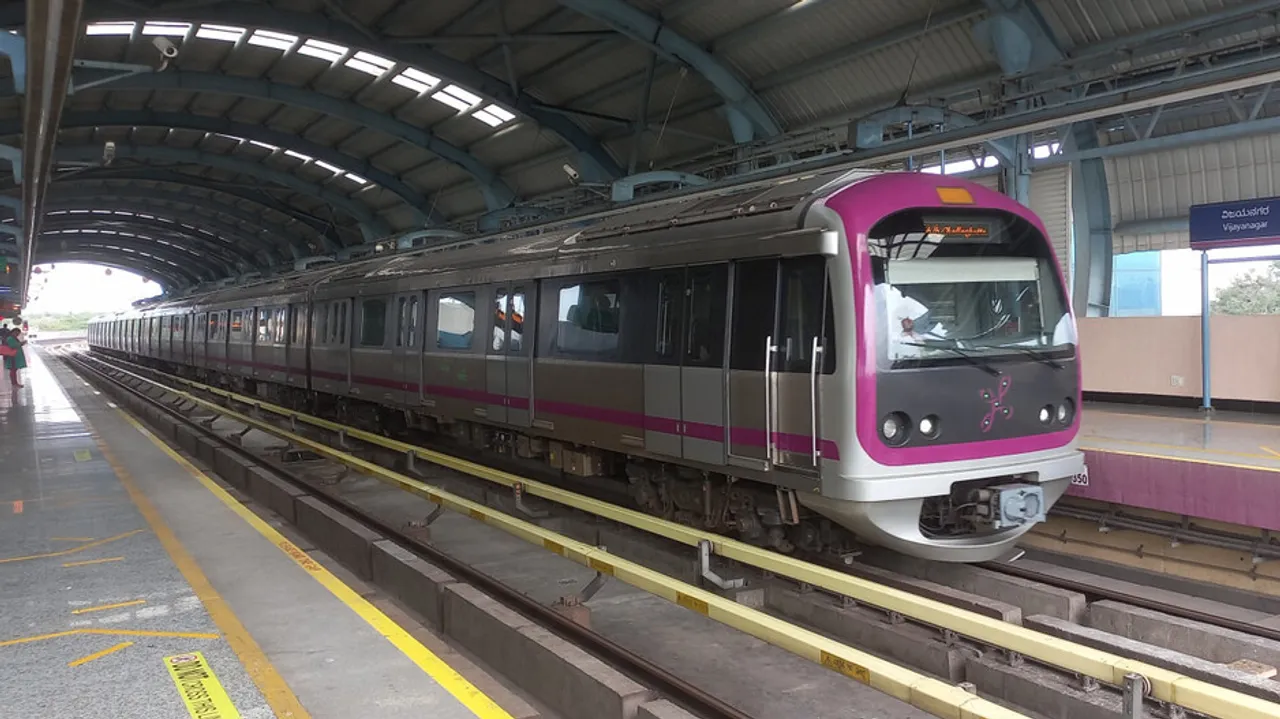
India’s metro infrastructure has grown significantly since 2014. The operational length of metro and regional rapid transit systems has increased from 248 kilometres in 2014 to around 1,095 kilometres in 2025, making India one of the countries with the largest metro rail networks in the world.
The number of cities with metro services has also expanded rapidly, rising from five cities in 2014 to 26 cities by 2025. Major urban centres such as Delhi, Mumbai, Bengaluru, Kolkata, Hyderabad, Chennai, Lucknow, Pune and Ahmedabad are now connected through modern metro systems.
Since 2014, the government has approved 38 metro projects covering about 1,051 kilometres, with an estimated investment of ₹3.44 lakh crore, reflecting the strong push towards modern urban transit infrastructure.
Rising Investment In Infrastructure
Government spending on metro rail development has increased substantially in recent years. The annual metro budget has risen from ₹5,798 crore in 2013–14 to ₹29,550 crore in 2025–26, underlining the policy focus on building efficient public transport systems.
The expansion aligns with broader infrastructure initiatives such as the PM GatiShakti National Master Plan and the National Infrastructure Pipeline (NIP), which aim to integrate metro rail with highways, railways and other transport networks.
In addition, the Government of India allocated ₹11.21 lakh crore for capital expenditure in the Union Budget 2024–25, accounting for around 3.1% of the country’s GDP, further boosting infrastructure growth.
Technological Innovations In Metro Systems
India’s metro projects are increasingly incorporating advanced technologies to enhance safety, efficiency and sustainability.
A key milestone was the launch of the Namo Bharat Regional Rapid Transit System on the Delhi–Meerut corridor in 2023. The high-speed regional train system can operate at speeds of up to 160 km/h, significantly reducing travel time between cities.
Another landmark achievement came in 2024 when Kolkata introduced India’s first underwater metro tunnel beneath the Hooghly River, connecting Esplanade and Howrah Maidan.
Similarly, Kochi launched the country’s first Water Metro in 2023, linking ten islands through electric-hybrid boats and offering a unique urban transport solution.
Metro systems across India are also adopting smart technologies such as QR-based ticketing, the National Common Mobility Card (NCMC), driverless train operations and advanced signalling systems. Safety features like platform screen doors and indigenous automatic train supervision systems are further improving operational efficiency.
Positive Impact On Household Finances
Beyond transportation benefits, metro connectivity is also influencing household financial behaviour. A study by the Economic Advisory Council to the Prime Minister (EAC-PM) released in January 2026 found that improved metro access reduces household transportation costs, allowing families to manage their finances more effectively.
Lower commuting expenses enable households to allocate more funds toward loan repayments and savings. As a result, cities with well-developed metro networks have reported declines in missed home loan payments and a rise in early loan repayments, indicating improved financial stability among residents.
Experts say the rapid expansion of metro rail infrastructure is therefore not only transforming urban mobility but also contributing to economic efficiency, environmental sustainability and better financial planning for households across India.