
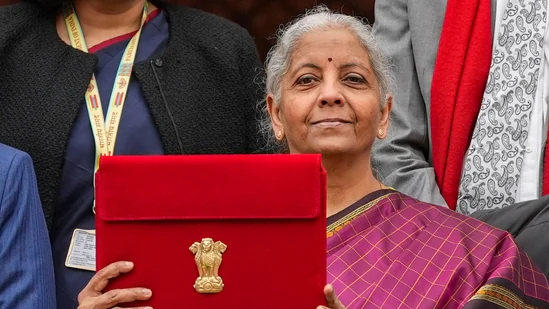
New Delhi: The Union Budget 2026, presented by Finance Minister Nirmala Sitharaman in Parliament on Saturday, brings a mixed bag for Indian consumers, with relief on several essential and technology-linked items, while imposing higher costs on products considered harmful or speculative. Through a series of customs duty rationalizations and tariff adjustments, the government has signalled its intent to balance consumer welfare, industrial growth, and fiscal discipline.
Items Expected to Get Cheaper
As part of customs duty reductions and tariff restructuring, a wide range of goods are set to become more affordable for consumers:
-
Personal-use imported goods, easing costs for individuals travelling abroad
-
17 life-saving cancer drugs, providing relief to patients
-
Medicines and Food for Special Medical Purposes (FSMP) for seven rare diseases
-
Leather footwear and accessories, benefiting domestic retailers and buyers
-
Textile garments, boosting affordable fashion
-
Seafood products, aiding exports and domestic pricing
-
Overseas tour packages, making foreign travel more accessible
-
Lithium-ion cells, supporting electric vehicle and battery manufacturing
-
Solar glass, promoting renewable energy adoption
-
Critical minerals, essential for high-tech and clean energy sectors
-
Biogas-blended CNG, supporting green fuel initiatives
-
Aircraft manufacturing components, aiding aviation and Make in India goals
-
Microwave ovens, benefiting home appliance consumers
-
Foreign education, lowering costs for students studying abroad
Items Likely to Become Costlier
To curb harmful consumption and speculative activity, the Budget proposes higher duties or taxes on certain goods and transactions:
-
Alcohol and cigarettes, in line with public health objectives
-
Components for nuclear power projects
-
Minerals including iron ore and coal
-
Penalties for misreporting income tax
-
Stock options, futures and derivatives trading, following an increase in Securities Transaction Tax (STT)
Cheaper Wine Despite Higher Alcohol Duties?
While alcohol overall is expected to become more expensive, consumers may still find relief on imported wine, beer and select spirits from Europe. This comes on the back of the recently concluded India–European Union Free Trade Agreement, under which India will reduce or eliminate tariffs on 96.6 per cent of EU exports.
Products such as European wines, beer, fruit juices, kiwis, pears, non-alcoholic beer, and processed foods are likely to become cheaper in the Indian market once the tariff cuts are implemented.
Key Highlights from Budget 2026-27
During her 81-minute-long Budget speech, Sitharaman also announced major policy initiatives, including:
-
Streamlining Income Tax return filing timelines
-
Hike in STT on futures and options trading
-
Expansion of India’s Semiconductor Mission
-
Development of rare earth corridors to reduce import dependence
Political Reactions
Prime Minister Narendra Modi and senior BJP leaders praised the Budget, calling it growth-oriented and future-ready. However, the Congress and other Opposition parties criticized it as “lacklustre” and alleged that it fell short in addressing concerns of the poor and middle class.