
Janmashtami is being celebrated across Odisha and different parts of India with religious fervour and devotion, marking the birth of Lord Krishna. Special prayers, rituals and devotional programmes are being organised at temples and homes, with devotees observing the auspicious occasion until the midnight celebration marking Krishna’s birth.
The festival is observed on the Ashtami Tithi of the Krishna Paksha in the month of Bhadraba or Bhadrapad. According to Hindu tradition, Lord Krishna, regarded as the eighth incarnation of Lord Vishnu, was born at midnight under the Rohini Nakshatra.
Special Rituals At Puri Temple
In Puri, special arrangements have been made for the Janmashtami rituals.
Public darshan at the temple will remain suspended from 7 pm until midnight following the evening Dhupa Bhoga Chheka and will continue until completion of the Shri Krishna Janma ritual.
Devotees are expected to participate in the celebrations with prayers and religious observances as temples perform rituals associated with the divine birth of Lord Krishna.
ISKCON Bhubaneswar Decorated For Celebration
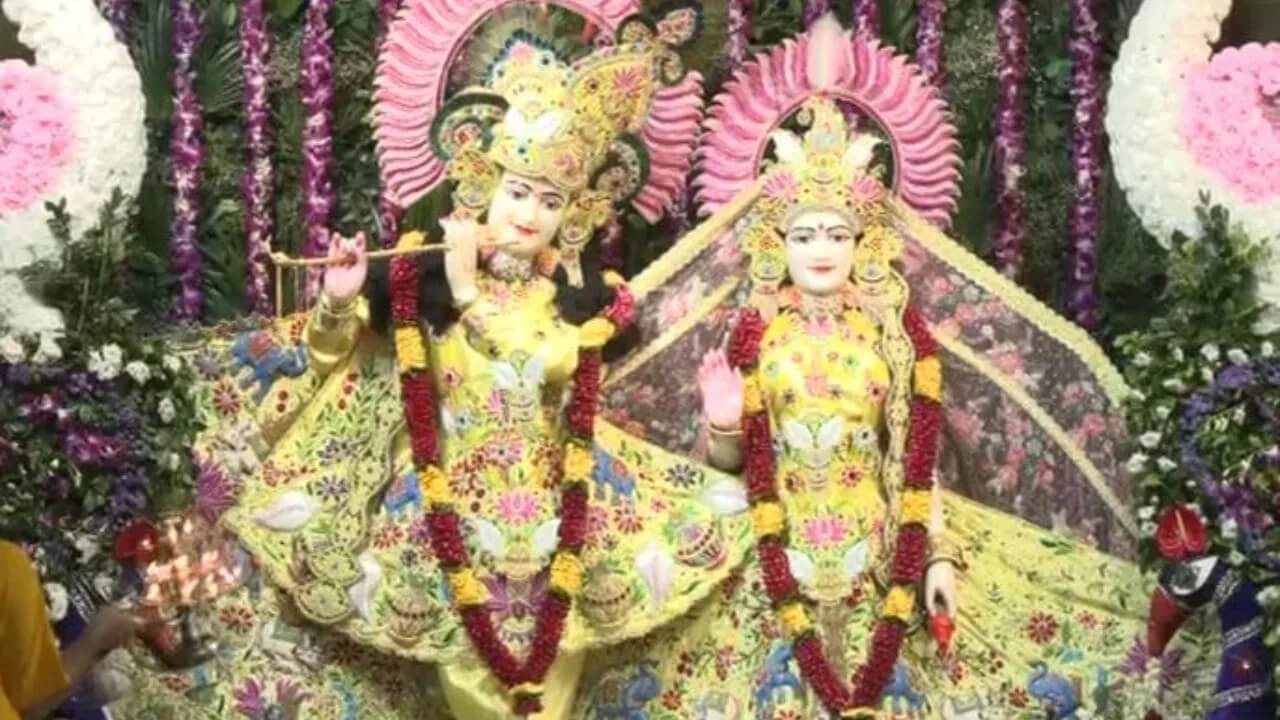
The ISKCON temple in Bhubaneswar has also made elaborate arrangements for the festival. The temple premises have been decorated for the occasion, while arrangements have been made to accommodate devotees expected to gather for the celebrations.
Special devotional programmes and rituals are being organised as devotees wait for the midnight ceremony commemorating the birth of Lord Krishna.
Why Janmashtami Is Celebrated
The name Janmashtami is derived from two words — Janma, meaning birth, and Ashtami, referring to the eighth lunar day.
The festival falls on the eighth day of the Krishna Paksha and commemorates the birth of Lord Krishna. According to religious tradition, Krishna was born in Mathura at midnight to Devaki and Vasudeva.
The festival holds special significance for devotees of Krishna and is observed through fasting, prayers, devotional singing and temple rituals.
Mathura And Vrindavan Witness Grand Celebrations
While Janmashtami is celebrated throughout India and by Hindu communities across the world, Mathura and Vrindavan remain among the major centres of celebration.
Mathura is traditionally regarded as Lord Krishna’s birthplace, while Vrindavan is associated with his childhood and youthful years. Thousands of devotees visit these places during the festival to participate in special prayers and celebrations.
Temples in different parts of the country are decorated with flowers, lights and other festive arrangements, while devotees observe fasts and gather for the midnight birth ceremony.
Dahi Handi Adds To Festive Spirit
The celebrations continue into the following day with Dahi Handi, a popular tradition associated with Krishna’s childhood.
The term combines Dahi, meaning curd, and Handi, meaning an earthen pot. During the event, participants form human pyramids to reach and break a pot filled with curd and other milk products.
The tradition is associated with stories of young Krishna’s fondness for butter, curd and milk. According to popular tradition, Krishna and his friends would steal butter and other dairy products from neighbouring homes. To keep them out of reach, villagers would hang pots containing these items from ceilings.
The Dahi Handi celebration is considered a symbolic recreation of those childhood stories and has become one of the most popular attractions associated with Janmashtami.