

Compressed Natural Gas (CNG) prices were increased by Rs 1 per kg across the Delhi-NCR region from Sunday, marking the second price hike within 48 hours amid rising global energy costs linked to the ongoing West Asia conflict.
Following the latest revision, CNG will now cost Rs 80.09 per kg in New Delhi. In Noida and Ghaziabad, prices have risen to Rs 88.70 per kg.
The increase comes after CNG rates were raised by Rs 2 per kg on May 15. With Sunday’s revision, CNG prices have climbed by a total of Rs 3 per kg within two days.
Petrol, Diesel Prices Also Increased
Earlier on Friday, the Centre increased petrol and diesel prices by Rs 3 per litre across the country.
In Delhi, petrol prices rose from Rs 94.77 per litre to Rs 97.77 per litre, while diesel prices increased from Rs 87.67 to Rs 90.67 per litre.
The fuel price revisions come amid a sharp rise in international crude oil prices due to escalating tensions in West Asia, particularly the ongoing US-Israel-Iran conflict that began earlier this year.
Brent crude prices have crossed 100 US dollars per barrel, triggering concerns over inflation and fuel import costs for major oil-importing countries, including India.
Kiren Rijiju Defends Fuel Price Hike
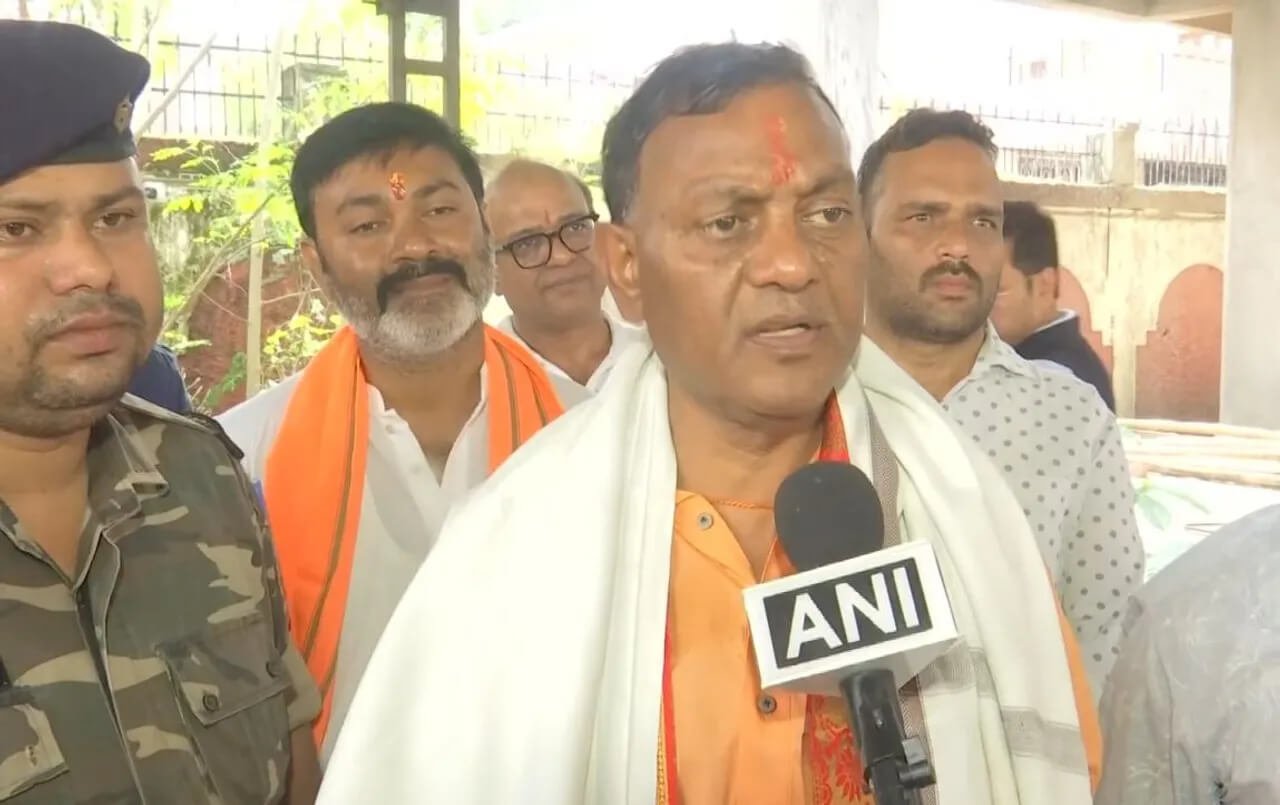
Kiren Rijiju defended the increase in fuel prices, stating that India has managed to keep fuel inflation relatively lower compared to several other countries affected by the global energy crisis.
In a post on social media platform X, Rijiju said India limited petrol price increases to around 3.2 per cent and diesel price increases to 3.4 per cent, despite major global disruptions.
He claimed countries such as Malaysia, the United States and China witnessed significantly higher increases in fuel prices due to the West Asia conflict.
According to figures shared by the minister, Malaysia recorded an 89.7 per cent increase in petrol prices and a 112.7 per cent rise in diesel prices, while the United States saw hikes of 44 per cent in petrol and 48.1 per cent in diesel prices.
China reportedly recorded increases of 21.7 per cent in petrol prices and 23.7 per cent in diesel prices.
Government Highlights Economic Stability Measures
Rijiju praised Narendra Modi for balancing economic stability with public welfare during the ongoing global fuel crisis.
He stated that public sector oil companies absorbed substantial losses for weeks to shield consumers from sudden inflationary shocks and economic pressure.
The government has repeatedly maintained that India has adequate fuel supplies despite global disruptions and has appealed to citizens to avoid panic buying.