
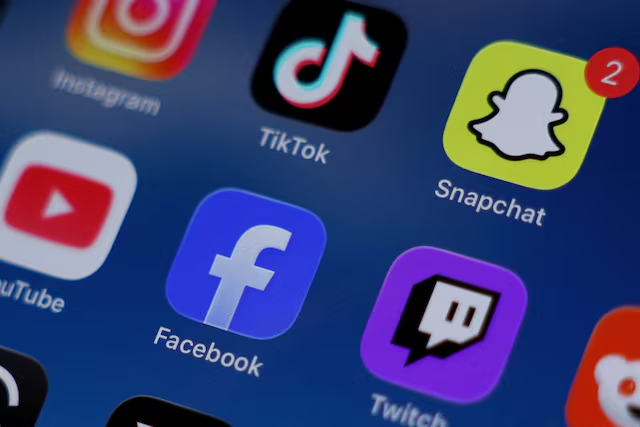
In a significant move aimed at protecting minors from the harmful effects of excessive digital exposure, the southern Indian state of Karnataka has announced a ban on social media usage for children below the age of 16. The announcement was made on Friday by Chief Minister Siddaramaiah during his annual budget speech, marking the first such restriction by any state in India.
The decision comes amid rising concerns about growing social media addiction among children and the impact of unrestricted internet access on their mental and emotional well-being. The Karnataka government said the step aims to safeguard minors from the negative consequences of prolonged mobile and social media use.
Move to Address Rising Digital Addiction Among Children
Announcing the policy, Siddaramaiah said the ban was introduced to prevent the adverse effects of increasing mobile usage among children. While the government confirmed the policy decision, no specific timeline has yet been announced for when the ban will come into force or how it will be implemented.
Experts and policymakers have increasingly warned that excessive exposure to social media platforms at a young age can contribute to mental health issues, cyberbullying, reduced attention span, and sleep disturbances among children.
Karnataka Joins Global Debate on Children’s Social Media Use
The decision places Karnataka among a growing list of governments around the world examining stricter regulations on social media access for minors. Countries such as Australia have already taken decisive action, becoming the first nation to impose a nationwide ban on social media for children in December.
Meanwhile, other European countries including United Kingdom, Denmark, and Greece are currently studying similar measures to regulate the digital exposure of children.
India: A Massive Social Media Market
India remains one of the largest digital markets in the world, with around 750 million smartphones and nearly one billion internet users. For global tech giants like Meta, the country represents the largest user base for platforms such as Facebook, Instagram, and WhatsApp.
Karnataka itself is home to the major technology hub of Bengaluru, often referred to as India’s Silicon Valley. The city hosts major global technology companies including Microsoft, Amazon, IBM, Dell, and Google.
According to data cited by the government think tank NITI Aayog, Karnataka has a population of about 67.6 million, with less than one-quarter of residents under the age of 15, based on findings from a survey conducted by the Ministry of Health and Family Welfare during 2019–20.
Other Indian States Considering Similar Restrictions
Karnataka’s decision may trigger a broader debate across India. The neighbouring state of Goa is also examining a similar proposal to restrict children’s access to social media platforms. Meanwhile, a lawmaker from Andhra Pradesh has already proposed legislation aimed at regulating minors’ digital usage.
Earlier this year, India’s Chief Economic Adviser also recommended that the central government in New Delhi consider age-based access policies to address rising digital addiction among children, a suggestion that has gained considerable public support.
Debate Continues Over Effectiveness of Age-Based Bans
Despite the growing momentum behind such restrictions, several technology experts and child rights activists have expressed reservations about the effectiveness of outright bans. Critics argue that children may easily bypass age restrictions using fake identification documents or alternate accounts.
Instead, some experts advocate for digital literacy programs and parental guidance initiatives to promote safe and responsible social media usage among young users.
As discussions continue worldwide, Karnataka’s decision marks a major step in India’s evolving debate on regulating children’s digital lives and protecting them from potential online harms.