
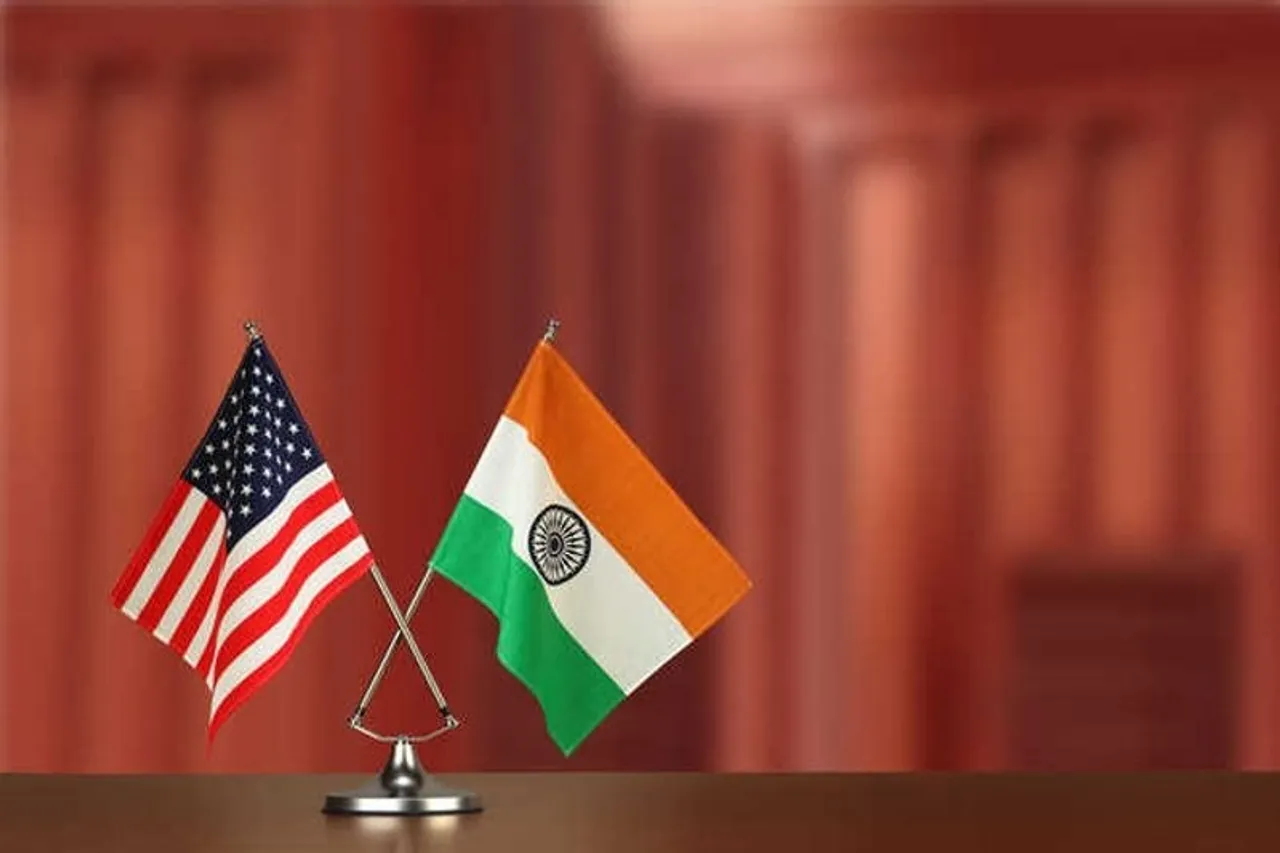
The landmark trade agreement between India and the United States is being widely hailed as a transformative development for India’s textile and apparel industry, with industry stakeholders and policymakers describing it as a major boost to bilateral trade and export-led growth. The agreement is expected to significantly enhance India’s global competitiveness while opening new avenues for manufacturers, exporters, and investors.
The Ministry of Textiles has termed the pact a crucial step towards deepening textile trade relations between the two countries and unlocking fresh growth opportunities for Indian exporters. One of the most significant gains from the agreement is expanded access to the United States’ vast textile and apparel import market, estimated at nearly $118 billion, making it one of the largest such markets globally.
US Remains India’s Largest Textile Export Destination
The United States already stands as India’s biggest export destination in the textile sector, with Indian textile and apparel exports valued at approximately $10.5 billion. Of this, apparel contributes nearly 70 percent, while made-ups account for around 15 percent, underscoring the strategic importance of the US market in India’s textile export ecosystem.
With the new trade agreement in place, industry experts believe India is well positioned to significantly expand its market share and consolidate its presence in the high-value US market.
Boost to India’s $100 Billion Export Target
Experts believe the agreement could play a decisive role in helping India achieve its ambitious goal of $100 billion in textile exports by 2030. The United States alone is expected to contribute over 20 percent of this target, providing sustained momentum to the sector over the coming decade.
A key highlight of the agreement is the introduction of an 18 percent reciprocal tariff on textile products, including apparel and made-ups. This move removes the cost disadvantage previously faced by Indian exporters and places them on a more competitive footing compared to major textile-exporting nations.
Competitive Edge Over Global Rivals
Under the new tariff structure, competing countries face higher reciprocal tariffs—Bangladesh (20 percent), Pakistan (19 percent), Vietnam (20 percent), and China (30 percent). This differential is expected to significantly influence global sourcing decisions, encouraging international buyers to shift supply chains towards India.
Industry analysts note that this change could lead to a structural realignment in global textile sourcing, with India emerging as a preferred manufacturing hub due to its scale, compliance standards, and cost competitiveness.
Improved Access to Inputs and Value-Added Growth
Beyond exports, the agreement provides Indian manufacturers with greater flexibility to source intermediate inputs from the United States, which is expected to enhance cost efficiency and support the production of higher-value and technical textiles. Improved access to quality raw materials and intermediates could also help diversify India’s textile manufacturing base and export portfolio.
This development is likely to strengthen India’s presence in value-added segments, including technical textiles and specialized fabric categories, where global demand is steadily rising.
Employment, Investment, and Long-Term Growth
The India–US trade agreement is also expected to deliver broader economic benefits, including job creation, increased foreign investment, and technology transfer. The improved trade environment may encourage greater participation by US companies across India’s textile value chain, supporting capacity expansion, modernization, and innovation.
Overall, the agreement is being viewed as a potential economic game changer for India’s textile and apparel sector, positioning the country to expand its global market share, attract long-term investments, and move closer to its export, employment, and industrial growth objectives.