
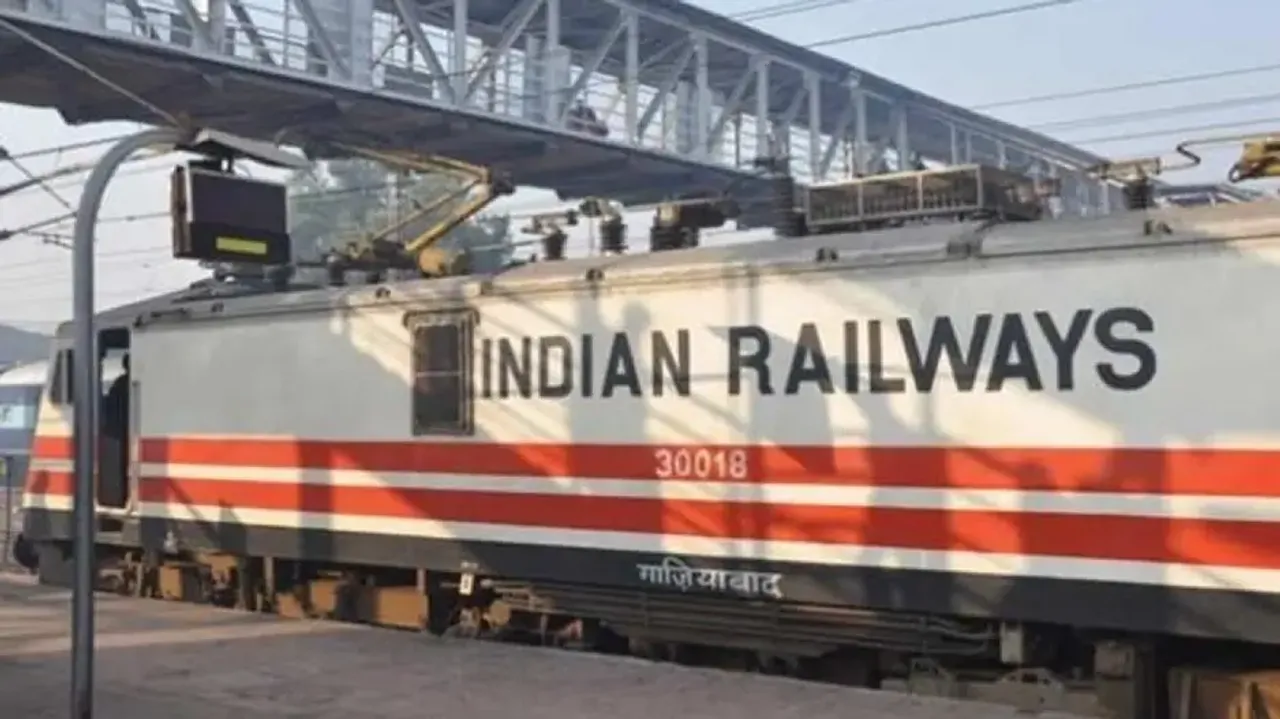
To handle the surge in passenger traffic during the Holi festival, Indian Railways has announced an extensive nationwide plan to operate a record number of special trains, ensuring smoother and more comfortable travel for millions of passengers. So far, over 1,410 Holi special train services have been scheduled, with the total expected to rise to nearly 1,500 trains during the peak festive period in March.
The initiative marks a significant expansion compared to last year, when Indian Railways operated 1,144 special train trips for Holi. The enhanced services aim to reduce congestion on high-demand routes, improve connectivity between major cities and regional hubs, and ensure timely travel for passengers heading home to celebrate the festival with their families.
Zonal Railways Mobilized For Festive Operations
Among the zonal railways, East Central Railway will operate the highest number of special trains at 285, followed by Western Railway with 231 services and Central Railway with 209 trains. The South Central Railway has planned 160 special trains, while the Northern Railway will operate 108 services during the festive rush.
Additional contributions include 71 trains by North Western Railway, 66 by North Central Railway, and 62 trains each by North Eastern Railway and East Coast Railway. The South Western Railway will run 47 special trains, West Central Railway 43, and Southern Railway 39 services. To meet regional demand, South East Central Railway will operate 15 trains, Konkan Railway 9 services, and Northeast Frontier Railway 2 special trains.
Focus On Passenger Convenience And Safety
Railway officials said the special services are strategically planned to cater to routes witnessing the highest demand during Holi, particularly those connecting metropolitan cities, industrial centers, and major festival destinations. Emphasis has also been placed on crowd management, safety measures, punctuality, and onboard passenger comfort.
Through this large-scale festive operation, Indian Railways aims to ensure hassle-free travel, reduce waiting lists, and facilitate safe movement of passengers during one of the busiest travel periods of the year.