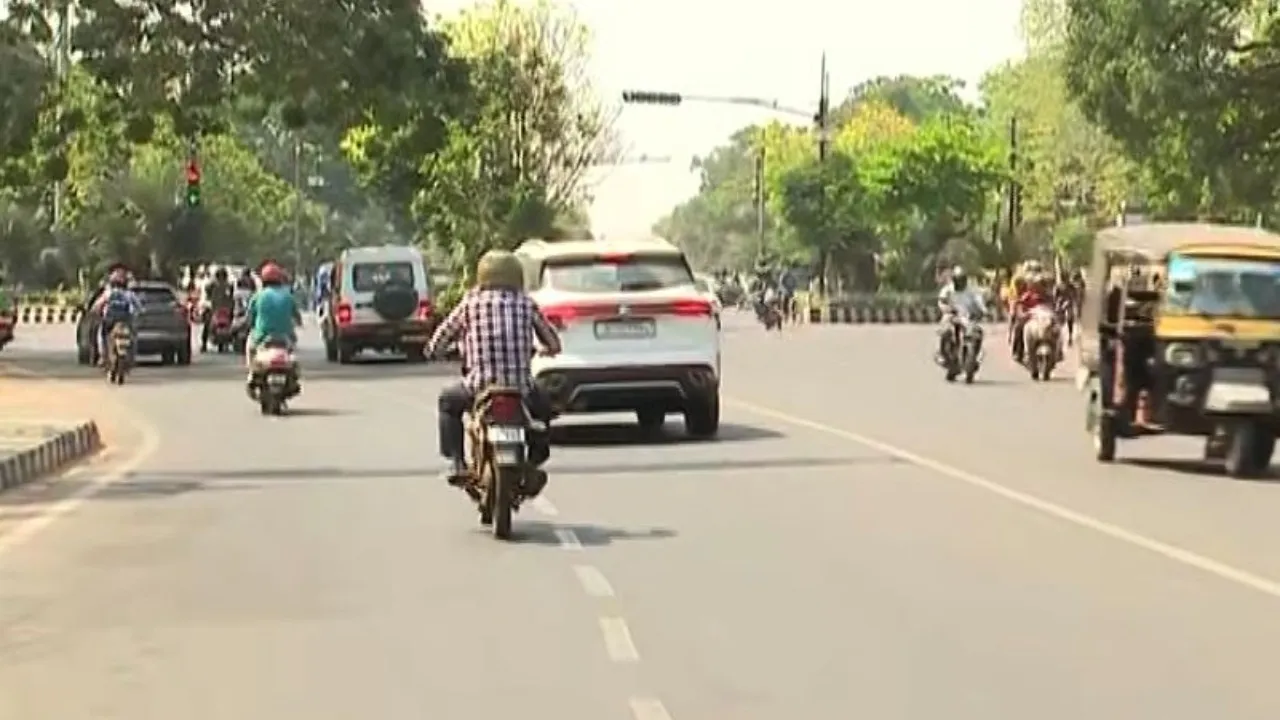

In a major relief for commuters, the Odisha government has withdrawn the ‘No PUCC, No Petrol’ directive after the Orissa High Court raised serious questions over its feasibility, legality, and practical implementation across petrol pumps in the state. The government has formally informed the court through an affidavit, clarifying that petrol pumps can only ask for a Pollution Under Control Certificate (PUCC) but cannot deny fuel to motorists.
The High Court also made it clear that the government cannot compel citizens to clear pending traffic challans as a condition for issuing PUCC certificates or accessing fuel services. Following the court’s observations, instructions have been issued to amend the Vahan portal, and the state government has been directed to file a detailed affidavit regarding the required technical modifications.
Confusion and Public Panic After Original Order
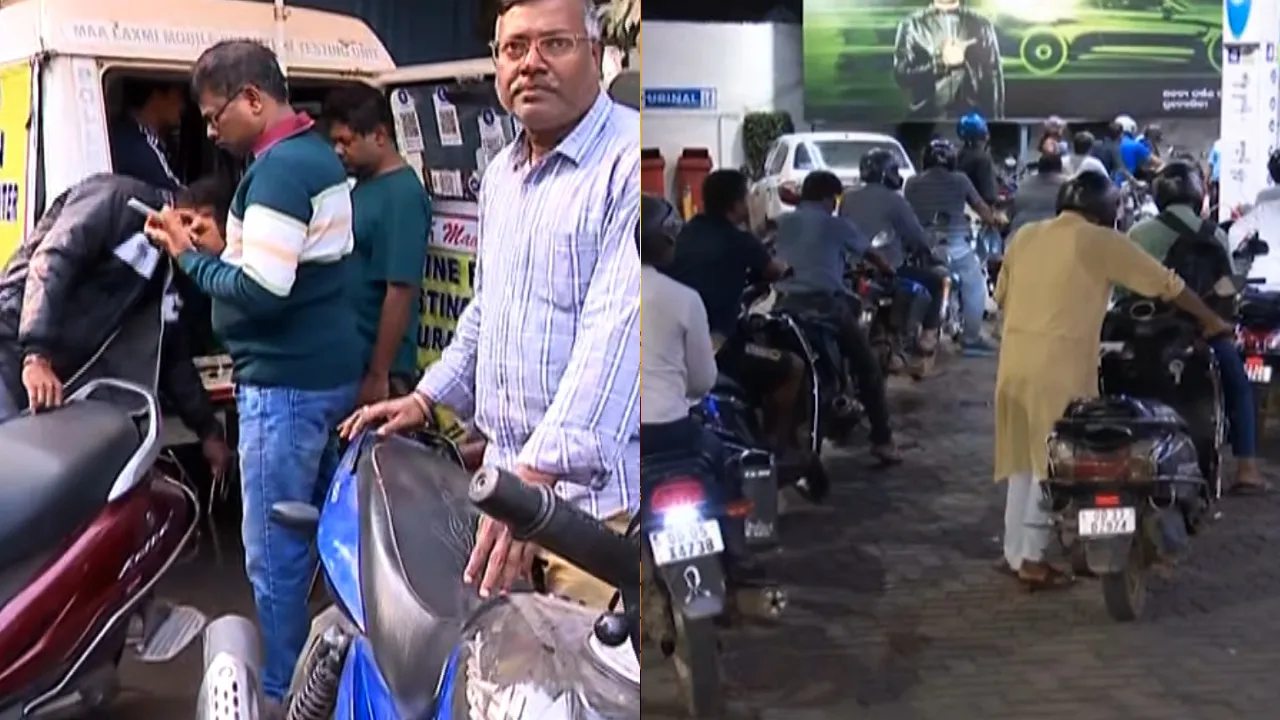
The earlier directive, which instructed fuel stations to deny petrol and diesel to vehicles without a valid PUCC, led to widespread confusion and panic across Odisha. Petrol pumps were ill-equipped to verify PUCC certificates, resulting in operational chaos. Long queues were seen at PUCC centres as commuters rushed to obtain certificates to avoid being denied fuel.
Public anxiety further increased after reports emerged that PUCC certificates would not be issued to vehicle owners with pending challans, creating fear of widespread restrictions on mobility.
Government’s Clarification to the Court
In its affidavit, the state government clarified that:
-
Fuel stations are permitted to ask for PUCC but cannot deny fuel to any vehicle.
-
PUCC issuance cannot be linked to the clearance of pending challans, as there is no legal provision supporting such a condition.
Petitioner’s lawyer Ranjan Rout stated that the High Court rejected the government’s argument linking PUCC issuance to challan clearance, observing that no law allows such a linkage. The court directed the Transport Commissioner to issue a notification, resolve technical issues in the Vahan portal, and submit a compliance report.
He also confirmed that the Transport Department has officially withdrawn instructions preventing petroleum companies from selling fuel, and that awareness programmes will now be conducted instead of punitive enforcement.
High Court’s Observations
The High Court emphasised that policy directives affecting the public cannot be imposed arbitrarily and must be grounded in clear legal provisions and practical feasibility. The court instructed transport authorities to ensure that enforcement measures strictly align with the Vahan portal framework and existing legal provisions.
With the withdrawal of the directive, the immediate confusion and panic among commuters has subsided. The court’s intervention has highlighted the need for legally sound, transparent, and citizen-friendly policy implementation, especially in matters that directly affect daily life and mobility.