
The Pahili Bhoga ritual at the Shree Jagannath Temple (Srimandir) in Puri, which commences with Dhanu Sankranti, will conclude on the day preceding Makar Sankranti, in keeping with centuries-old temple traditions. The ritual is an integral part of the daily worship of Lord Jagannath during this auspicious period and holds deep religious and cultural significance for devotees.
As per established customs at the Srimandir, Pahili Bhoga is offered after the Gopala Ballabha ritual in the early hours of the morning. Temple traditions mandate that the offering must be completed before the crow caws, a symbolic marker indicating the end of the ritual for the day. This strict timing underscores the discipline and sanctity associated with the ritual practices of the temple.
Religious Significance of Pahili Bhoga
Pahili Bhoga holds special spiritual importance as it symbolises Mother Yashoda feeding her beloved child, Lord Krishna, with affection and care. The ritual reflects the maternal bond between the divine mother and the Lord, representing love, nourishment and devotion. Temple servitors explain that this offering is not merely a ceremonial practice but a reenactment of divine motherly affection that forms the essence of the ritual.
During the Dhanu Sankranti period, Pahili Bhoga is offered daily without interruption, reaffirming its importance in the temple’s elaborate worship schedule. Devotees believe that participating in or receiving prasad from this early-morning offering brings spiritual merit and blessings.
Variety of Traditional Pitha Offered
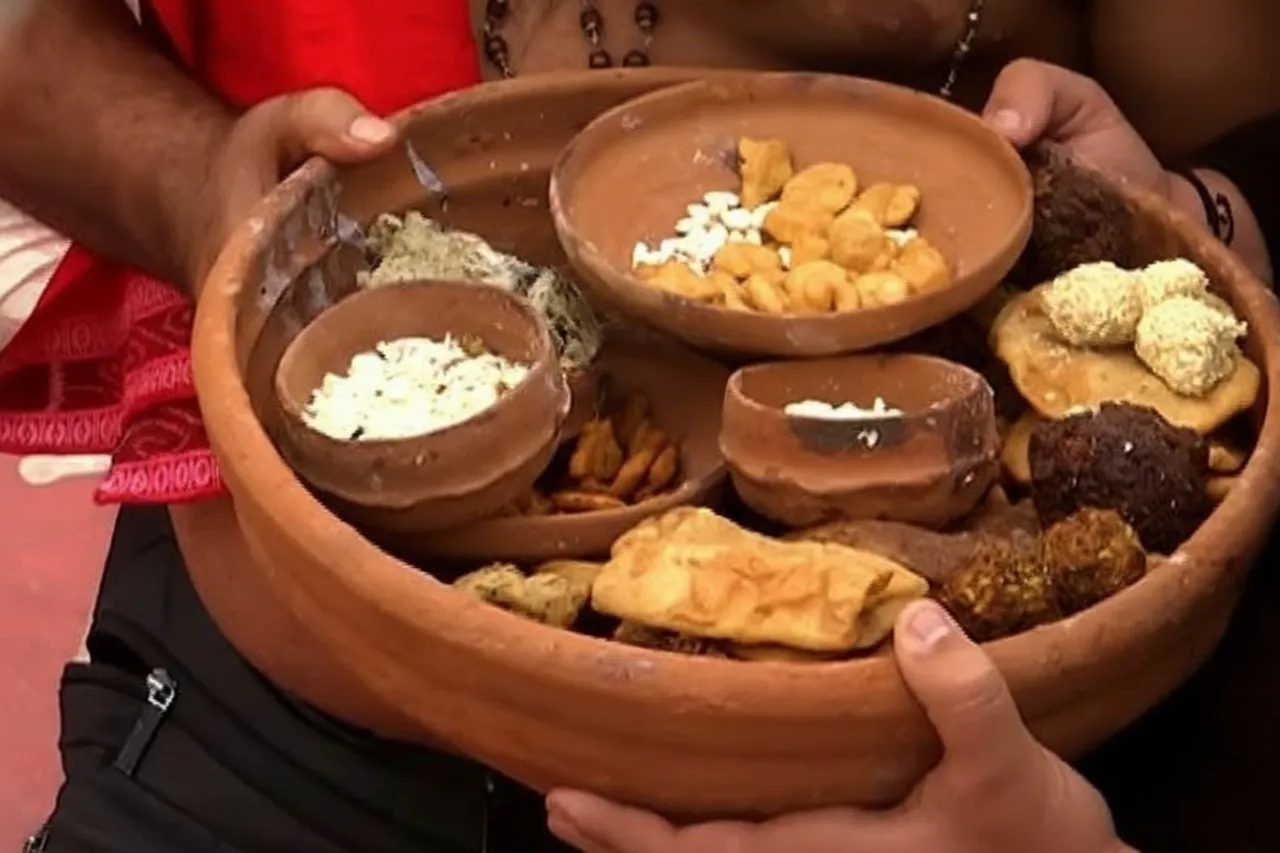
Unlike regular temple offerings, Pahili Bhoga includes an elaborate assortment of traditional Odia pitha and delicacies. A Srimandir servitor explained that the bhoga goes far beyond commonly known items like khechudi and dalma.
“Pahili Bhoga is prepared under the supervision of Goddess Bimala and includes items such as chuda bhaja, gaintha, enduri pitha, tikili, kantei, kakeri nali, bada, mugei, ambalu, kakera, chota and bada jhilli, laddoo, along with several other traditional preparations,” the servitor said.
A detailed list of required items is prepared in advance and handed over to the Mahasuar servitors, who are responsible for preparing the bhoga strictly according to tradition. Raw materials are supplied from the temple godown, ensuring uniformity, purity and adherence to age-old customs.
Belief Behind the Early Morning Offering
A unique belief is associated with the timing of Pahili Bhoga. According to temple servitors, Goddess Bimala ensures that the Lord is fed at the earliest possible hour. While Goddess Lakshmi is believed to prepare food later in the morning, Goddess Bimala begins cooking around 3.30 am, ensuring that the offering reaches Lord Jagannath before dawn.
Devotees are also allowed to receive prasad early in the morning during the Pahili Bhoga ritual, making it a spiritually cherished moment for pilgrims visiting the Srimandir during this period. However, servitors noted that on certain days, the ritual may be delayed due to the conduct of the Maha Snana ritual, which takes precedence in the temple’s ritual hierarchy.
With the conclusion of Pahili Bhoga just before Makar Sankranti, the Srimandir prepares to transition into the next phase of rituals associated with the auspicious solar festival, drawing thousands of devotees to the holy town of Puri.