

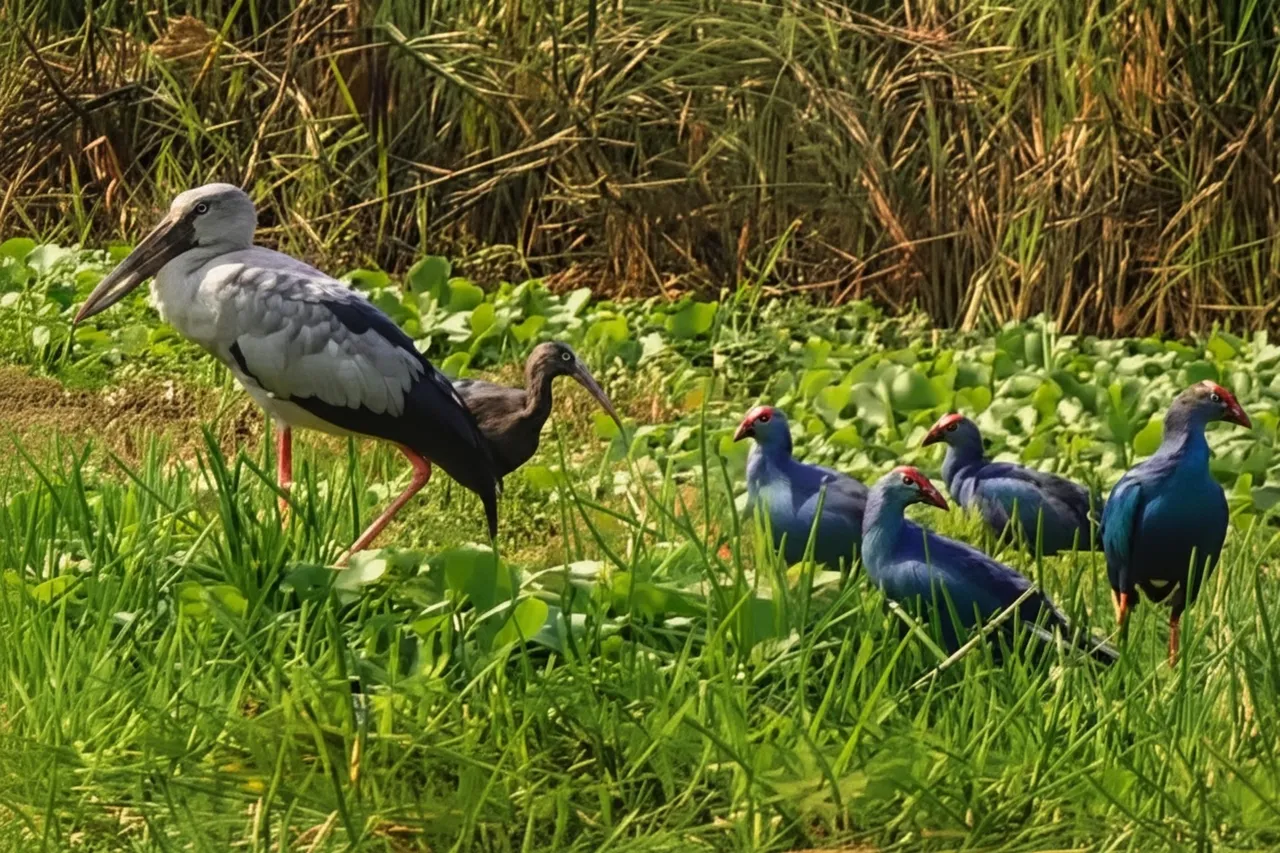
Chilika Lake in Odisha has once again transformed into a spectacular winter refuge for migratory birds, drawing nature lovers, birdwatchers and tourists from across India. With the onset of the winter season and a steady drop in temperatures, thousands of migratory birds have begun arriving at Asia’s largest brackish water lagoon, marking the peak of the annual migratory cycle.
According to Amlan Nayak, Divisional Forest Officer (DFO) of the Chilika Wildlife Division, the migratory bird season at Chilika typically begins in October and continues till March. During this period, birds from regions such as Siberia, Central Asia, Mongolia and parts of Europe migrate to Chilika in search of a favourable climate and abundant food resources.
Recent bird census data highlights the ecological richness of the wetland. “In the latest estimation, around 11.27 lakh migratory birds have been recorded across different parts of Chilika Lake,” Nayak said, underscoring the lake’s significance as one of the most important wintering grounds for birds in the Indian subcontinent.
Key birding hotspots such as Nalbana Bird Sanctuary and Mangalajodi have emerged as major attractions during the season. Nalbana, a protected island within the lake, hosts large congregations of waterfowl, while Mangalajodi, known for community-based conservation, offers close-range birdwatching experiences that attract photographers and eco-tourists alike.
To ensure the safety and conservation of the avian visitors, the forest department has strengthened surveillance and protection measures across the lake. As many as 21 bird protection camps have been set up at strategic locations to monitor bird movement and prevent illegal activities. Round-the-clock patrolling has been intensified, particularly in vulnerable zones.
Alongside enforcement, the department has placed strong emphasis on awareness and community participation. Regular outreach programmes are being conducted for school students, local residents and tourists to highlight the importance of migratory birds and wetland ecosystems. Awareness meetings at sensitive locations have played a crucial role in discouraging poaching and promoting sustainable eco-tourism.
“These continuous conservation efforts have led to a significant decline in poaching incidents in the Chilika region,” the DFO noted, adding that cooperation from local communities has been instrumental in protecting the birds.
With favourable climatic conditions, rich biodiversity and improved conservation practices, Chilika Lake continues to reaffirm its global ecological importance. The annual arrival of migratory birds not only enhances the natural charm of the wetland but also provides a major boost to Odisha’s eco-tourism sector, while reinforcing the need for long-term conservation of this unique ecosystem.