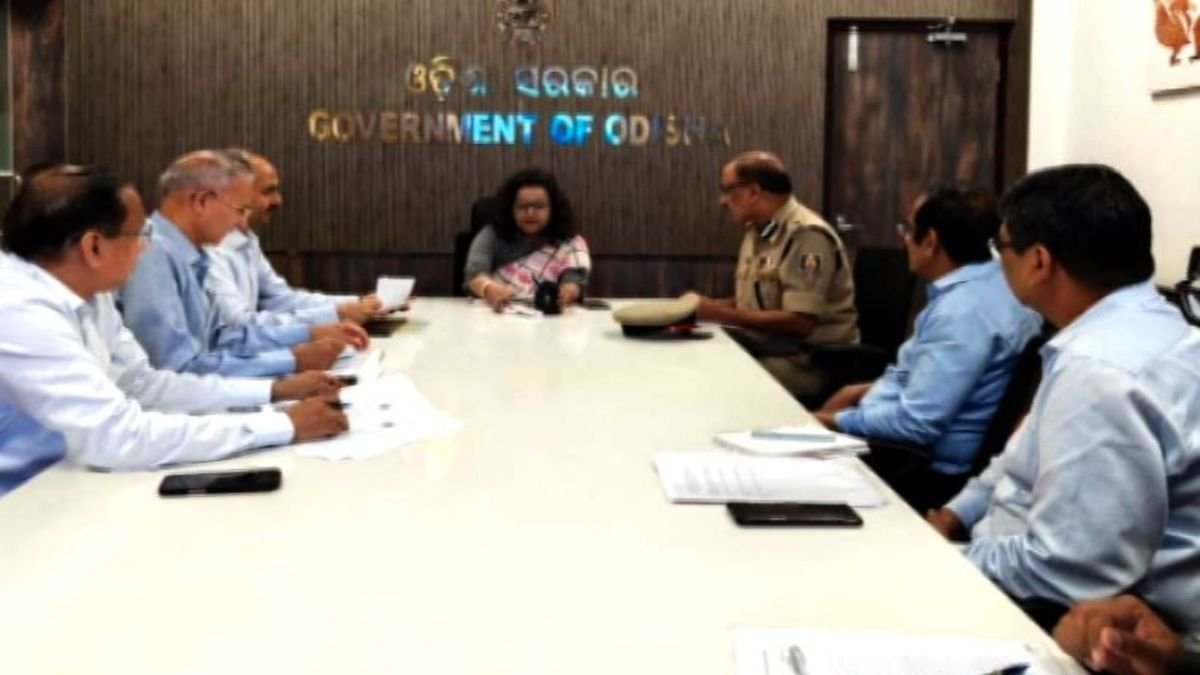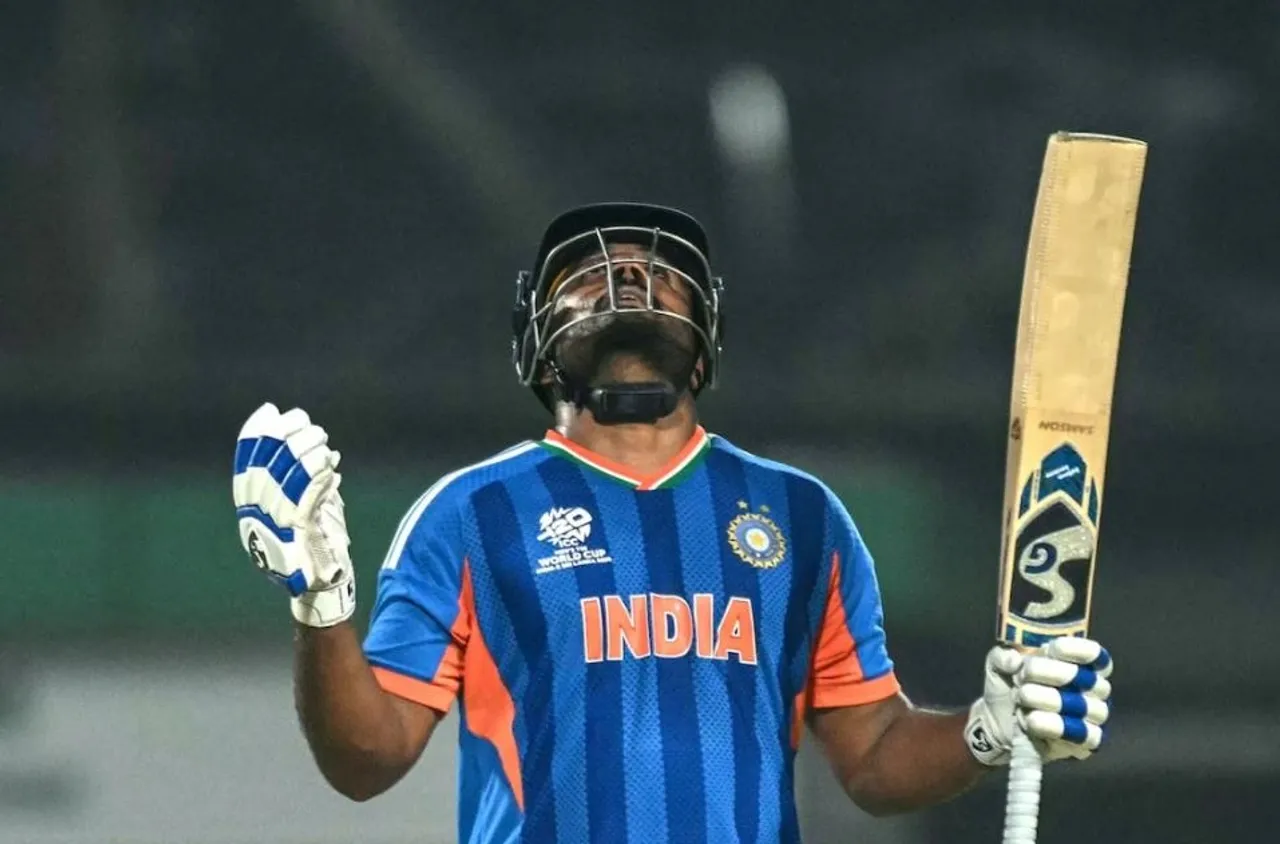

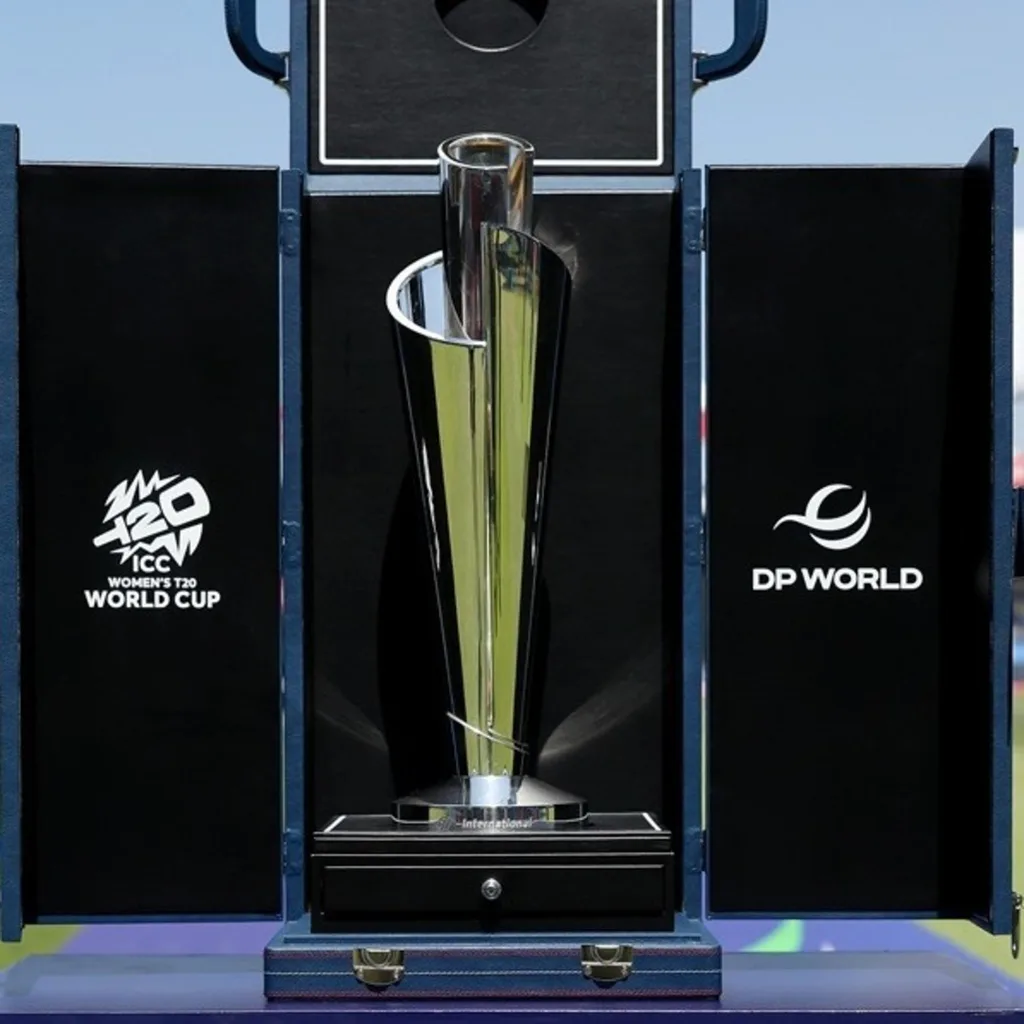
The International Cricket Council (ICC) is facing a major setback just two months before the 2026 T20 World Cup in India, after Reliance Industries-owned JioStar informed the governing body of its intention to withdraw from its media rights agreement. The exit attempt comes despite two years still remaining in the four-year contract, reportedly due to heavy financial losses, according to a report by the Economic Times.
ICC Reopens Bidding for 2026–29 Media Rights in India
Following JioStar’s notice, the ICC has restarted the bidding process for India’s media rights for the 2026–29 cycle, with a target valuation of $2.4 billion. For reference, the ICC’s earlier 2024–27 media rights—which included at least one men’s ICC event every year—were valued at $3 billion.
According to the report, the ICC approached Sony Pictures Networks India (SPNI), Netflix, and Amazon Prime Video, but none expressed interest at the quoted price, leaving the council in a difficult position. If ICC fails to secure a new broadcaster, JioStar will be legally required to continue the contract until 2027.
JioStar’s Mounting Losses and Industry Pressure
JioStar’s financial strain has deepened significantly. The company doubled its provision for expected losses on sports contracts in FY 2024–25, rising to ₹25,760 crore from ₹12,319 crore in the previous year. These figures, disclosed in audited standalone financial statements, highlight massive pressure from long-term sports and content rights that are unlikely to recover their costs.
Before merging with Viacom18, Star India had reported a ₹12,548 crore net loss for FY 2023–24—driven almost entirely by a ₹12,319 crore provision linked to the expensive ICC media rights deal. In contrast, the ICC posted a $474 million surplus in 2024, underscoring the lucrative economics of global cricket despite the struggles of Indian broadcasters.
Impact of Real-Money Gaming Ban
A major contributor to JioStar’s financial woes has been the Indian government’s ban on real-money gaming, previously the largest advertiser category during cricket broadcasts. Platforms like Dream11 and My11Circle exiting the advertising ecosystem created a massive ₹7,000-crore (~$840 million) revenue gap, according to the report.
Sony, Netflix, and Prime Video Decline ICC’s Offer
Even though SPNI remains a major broadcaster in India, the network reportedly believes the ICC’s valuation is unrealistically high. SPNI has been cautious about major cricket rights in recent years, despite holding several significant international packages, including:
-
Asian Cricket Council rights (~$170 million)
-
New Zealand Cricket rights (~$100 million)
-
ECB rights (over $200 million)
The financial pressure on India’s sports broadcasting market has been so intense that Sony was forced to sub-license digital rights for the India–England Test series earlier this year to JioStar to reduce its risk.
Meanwhile, Netflix continues to avoid cricket as it slowly experiments with sports entertainment and currently only holds a deal with WWE. Amazon Prime Video has a contract with New Zealand Cricket until 2026 and holds ICC rights only in Australia until 2027.