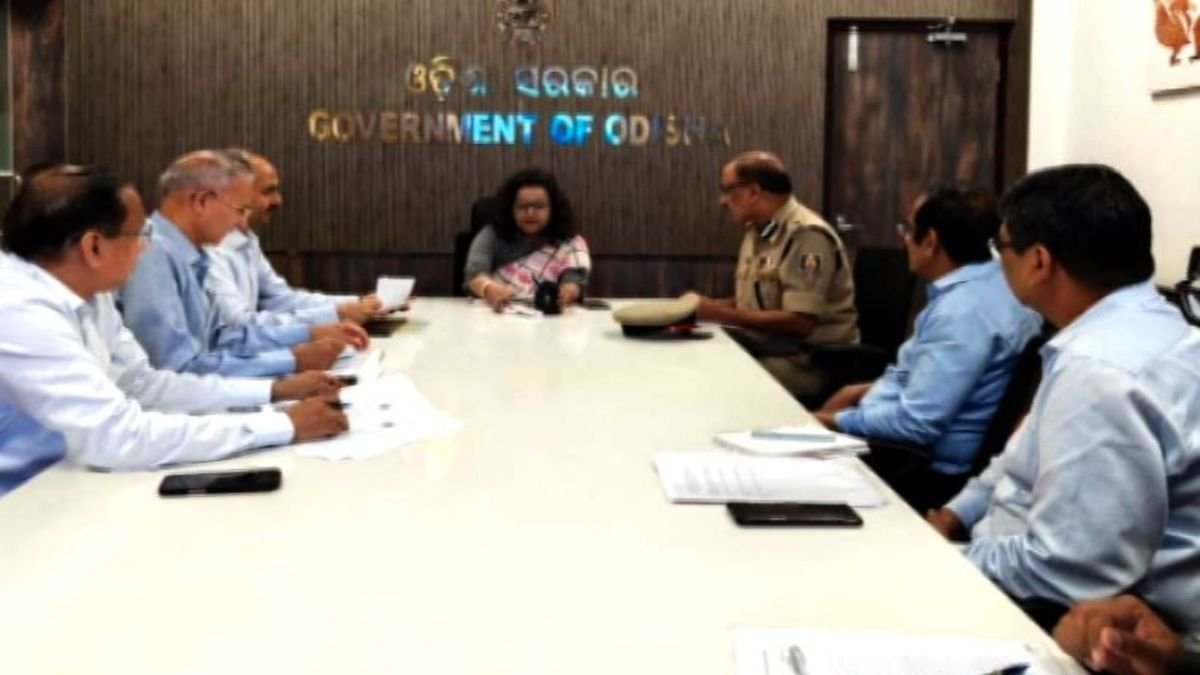


Ganjam Paperless Administration has become a transformative milestone in Odisha’s journey toward modern, technology-driven governance. As the first district in the state to fully adopt a paperless administrative workflow, Ganjam has set a powerful example of how digital systems can redefine efficiency, accountability, and transparency in government operations. This landmark achievement not only reflects a progressive shift in administrative culture but also highlights Odisha’s growing commitment to adopting future-ready governance models.
The transition to a complete paperless administration in Ganjam began under the Odisha government’s vision to make all departments digitally efficient through the OSWAS (Odisha Secretariat Workflow Automation System) platform. OSWAS has been designed to replace the traditional movement of physical files with a digital, streamlined, and easily trackable workflow. By embracing this system early and wholeheartedly, the Ganjam Collectorate has successfully positioned itself at the forefront of governance innovation.
A Complete Shift from Physical Files to Digital Workflows
At the core of the Ganjam Paperless Administration model is the District Collectorate, where all official procedures—be it file processing, note approvals, dispatches, or interdepartmental communication—are now carried out exclusively through digital platforms. What once required stacks of paper files, physical movement from desk to desk, and manual tracking has been fully replaced by computerized workflows.
This transition required meticulous planning, structured training, and widespread digital literacy initiatives. Staff members at the Collectorate underwent multiple rounds of digital orientation, capacity-building workshops, and hands-on OSWAS training modules. These efforts ensured that employees confidently navigated the digital system, understood e-file protocols, and adapted seamlessly to the new working environment.
Improving Efficiency and Transparency in Governance
One of the biggest advantages of the Ganjam Paperless Administration initiative is the significant improvement in administrative efficiency. With files now processed online:
-
File movement becomes instant
-
Tracking progress is easier and more transparent
-
Delays are minimized due to automated reminders and digital approvals
-
Real-time monitoring is possible at every stage
-
Accountability increases as every action leaves a digital footprint
Officials note that departments such as Revenue, Establishment, and General Administration have already transitioned to complete e-office operations. This shift marks a new chapter in how the district manages its administrative responsibilities.
District Collector’s Vision for Digital Transformation
The District Collector of Ganjam has emphasized that the move toward a fully paperless administration is not merely about reducing paper usage. It represents a broader commitment to improving governance quality. With this digital transformation:
-
Service delivery becomes faster and more seamless for citizens
-
Interdepartmental coordination improves
-
Record management becomes more secure and efficient
-
Decision-making becomes quicker due to easy information access
By cutting down on time-consuming manual processes, the administration aims to serve the public more effectively while optimizing government resources.
A Model for Other Districts Across Odisha
Ganjam’s success is expected to become a blueprint for other districts in Odisha. As the first district to implement the paperless system completely, it demonstrates the feasibility and benefits of a digital-first governance model. It also aligns with the State government’s broader vision of transforming Odisha into a leader in e-governance and smart administration.
The Ganjam Paperless Administration initiative is poised to inspire surrounding districts to expedite their digital transition. If implemented statewide, citizens across Odisha could soon experience faster, more reliable, and transparent government services.
A Step Toward a Fully Digitized Future
With global governments rapidly embracing digital solutions, Ganjam’s paperless model represents a step toward future-ready governance. Reduced paper usage contributes to environmental sustainability, while digital processes strengthen accountability and work integrity.
Most importantly, the initiative reflects a shift in mindset—from traditional paperwork to modern digital efficiency. As Ganjam continues to refine its e-office ecosystem, the district stands as a strong example of how technology can drive meaningful administrative reform.